Beekeeping, Uncategorized
How Raw Honey Protects Bees: Shocking Threats and Powerful Solutions
Bee diseases rise across the UK each year, and the entire raw honey industry feels the impact. Strong colonies keep British honey flowing, so every beekeeper and retailer needs a clear plan. When bees stay healthy, british honey production grows, hive strength improves, and customers enjoy pure, local honey with real flavour and natural benefits.
Raw honey carries enzymes, antioxidants, pollen, and nutrients that store naturally inside the hive. Customers love these qualities, and this explains why local honey is popular in the UK. People want clean food, sustainable products, and traceable honey that supports real beekeepers.
See our comprehensive analysis of British Honey UK between 2026–2030.
Below, you will learn how bee diseases develop, how they damage hives, how they affect raw honey supply, and how the british honey industry can fight back.
Numidia Wildflower Honey 500g – Pure British Local Honey
Raw Honey in the UK: Why It Matters More Than Ever
The UK produces some of the world’s most trusted pure honey. Local honey carries flavour from British wildflowers, heather, borage, clover, and forest blooms. Customers value this because they want real, unheated honey with natural benefits.
Raw honey benefits include:
- full natural flavour
- natural enzymes and antioxidants
- local pollens
- better traceability
- strong consumer trust
These benefits make raw honey one of the UK’s most valued natural foods.
How Bee Diseases Threaten Raw Honey Production
Varroa Mites Attack Hive Strength
Varroa mites feed on bees and spread deadly viruses. They weaken brood, shorten bee lifespan, and slash honey yields.
More details: nationalbeeunit
Foulbrood Destroys Brood and Reduces Honey Flow
Both EFB and AFB harm developing bees and create uneven brood patterns. AFB destroys hives completely if not controlled.
Official UK source: click here
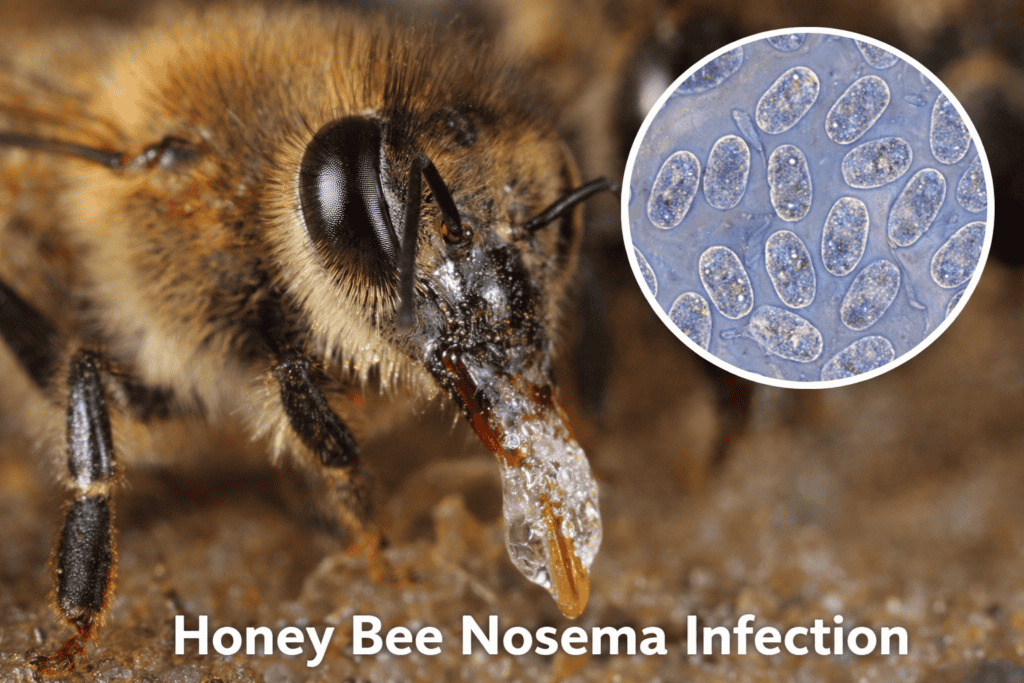
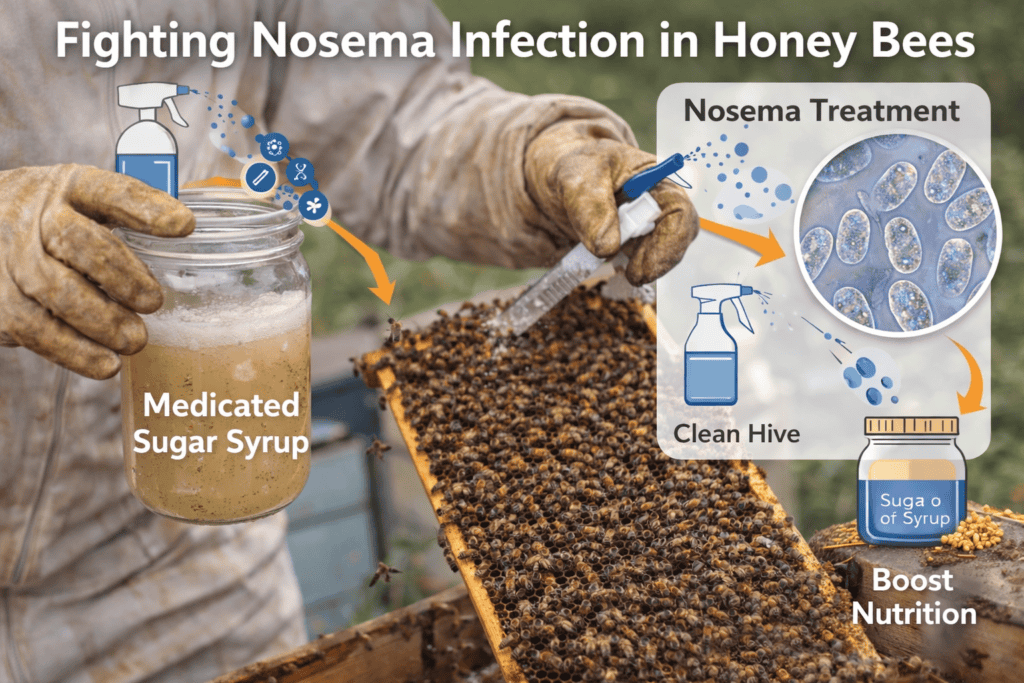
Nosema Weakens Adult Bees
Nosema damages the bee gut, reduces foraging energy, and slows hive progress throughout the season.
More information: click here.
These diseases strike directly at the heart of raw honey production. Weak bees collect less nectar, which means fewer jars for customers.
How Bee Diseases Reduce Raw Honey Supply
Diseases create long-term problems:
- fewer foraging bees
- slower nectar collection
- delayed honey sealing
- higher winter losses
- lower honey stock for retailers
When hives weaken, every part of the honey chain suffers—from beekeeper to wholesaler to supermarket shelves.
More bee-health details: click here
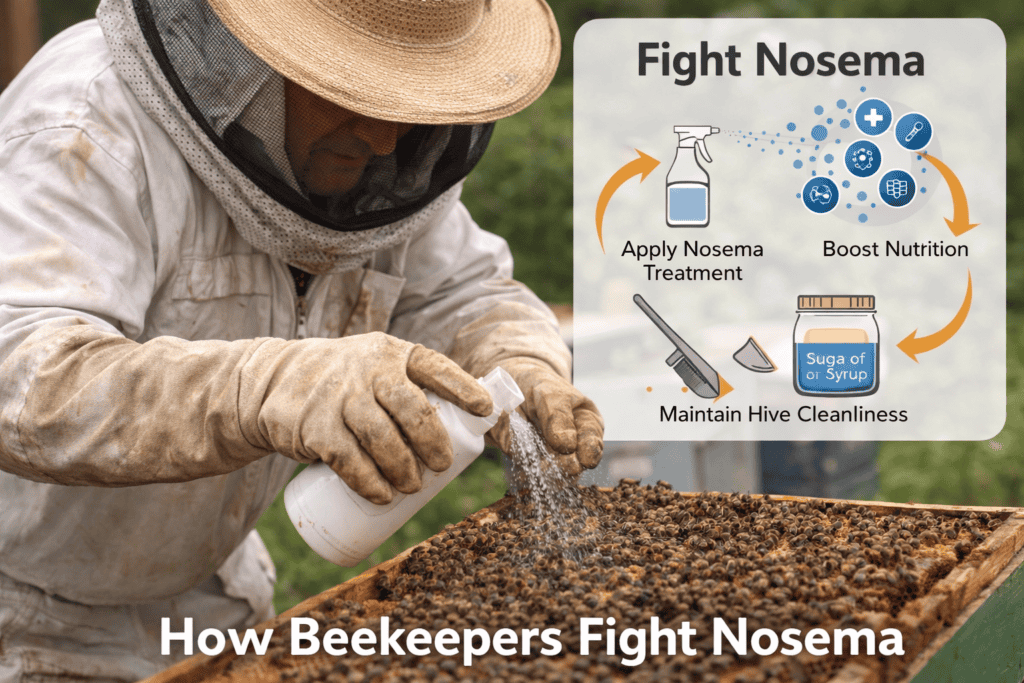
How Beekeepers Can Fight Bee Diseases and Protect Raw Honey
Beekeepers strengthen their colonies with responsible management:
Essential steps
- inspect hives weekly in spring and summer
- treat Varroa with approved UK treatments
- replace old comb regularly
- keep equipment clean
- strengthen colonies with good feeding
- maintain strong, productive queens
Strong colonies produce more raw honey and survive winter better.
How Retailers Help Protect the pure Honey Industry
Large british honey retailers also protect bees when they support ethical sourcing:
Retailers should:
- source raw honey from disease-free apiaries
- support beekeepers who follow UK disease-control rules
- promote British honey benefits
- avoid blends that weaken customer trust
- educate customers about bee health and sustainability
When retailers choose responsible suppliers, the entire industry grows stronger.
Numidia Wildflower Honey 500g
👉 https://numidiakingdom.co.uk/product/numidia-wildflower-honey-500g/
How Bees Make Honey (Explained for Kids)
This short, simple explanation helps families understand:
- Bees fly to flowers and drink sweet nectar.
- Bees carry nectar in a special honey stomach.
- Inside the hive, bees share nectar with other bees.
- Bees add natural enzymes.
- Bees dry the nectar by fanning their wings.
- Nectar thickens into honey.
- Bees seal each cell with wax to keep honey fresh.
This fun guide helps children understand the magic behind every jar of honey.
How Honey Is Harvested UK: Step-By-Step
UK beekeepers harvest honey only when frames are capped and ready:
- remove supers
- uncap frames
- extract honey
- rest honey naturally
- fill clean jars
- store honey correctly
Good harvesting protects bees and ensures pure, high-qualityraw honey.
Why Local Honey Is Popular in the UK
Customers trust local honey because they want:
- natural flavour
- clean production
- zero heat treatment
- British origin
- ethical producers
- traceable supply
Local raw honey stands out in quality and authenticity.
Conclusion: Strong Bee Health Creates Strong Raw Honey
Bee diseases rise across the UK, but beekeepers and retailers can protect the future of raw honey. Healthy colonies create steady honey flow, strong pollination, and sustainable honey production for years to come. When we protect bees, we protect our food system, our environment, and the future of British honey.

Pingback: Benefits of British Honey for Daily Health | Numidia Kingdom