British Honey Industry
How UK Associations Are Remarkably Boosting Local Honey Growth
Introduction
In recent years, the UK has experienced a remarkable increase in interest in beekeeping. From hobbyists maintaining a few hives in suburban gardens to commercial producers supplying shops with award-winning local honey, more people than ever are discovering the rewards of sustainable beekeeping.
Behind this growth stands one powerful support network: UK beekeeping associations.
These associations — from local branches of the British Beekeepers’ Association (BBKA) to independent regional groups — play a crucial role in:
- Training new beekeepers
- Protecting bee health
- Improving honey quality
- Strengthening food security
- Increasing production of raw honey and local honey
- Supporting professionalisation of the honey industry
This article explores how these associations help new beekeepers, how they protect the honey industry, and why joining one is invaluable for anyone entering the world of bees.
Local Honey Associations in the UK — How They Support New Beekeepers
Beekeeping can seem intimidating at first. New beekeepers often feel uncertain about hive management, disease control, and seasonal routines.
Local associations remove these barriers by providing structured support.
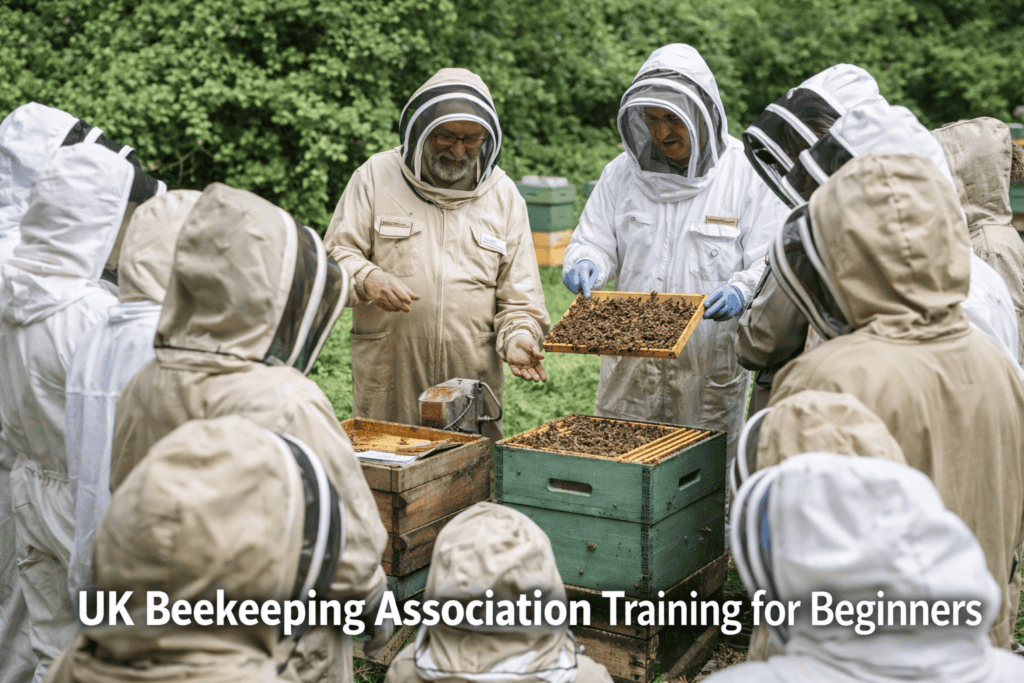
Local Honey Associations Offer Beginner Training
Every credible UK beekeeping association offers a “Beginners Course” covering:
- Beekeeping equipment
- Hive types
- Bee biology
- Seasonal management
- Honeybee behaviour
- Honey harvesting
- Safe handling
The British Beekeepers’ Association (BBKA) sets national standards for training:
https://www.bbka.org.uk
This training ensures new beekeepers produce high-quality raw honey safely and ethically.
Local Honey Mentorship Schemes
Many associations assign mentors to each new beekeeper.
The mentor helps with:
- First hive inspection
- Identifying brood patterns
- Swarm prevention
- Spotting diseases early
- Understanding colony temperament
This personal guidance dramatically improves success rates.
Association Apiaries Offer Safe Learning Environments
Association apiaries are communal sites where trainees can practise under supervision.
They help new beekeepers:
- Overcome fear or uncertainty
- Learn from real hives
- Understand bee behaviour in different seasons
A safe environment reduces mistakes and improves honey quality.
How Local Honey Associations Improve Raw Honey Quality
One of the greatest impacts of beekeeping associations is the improvement of raw honey quality across the UK.
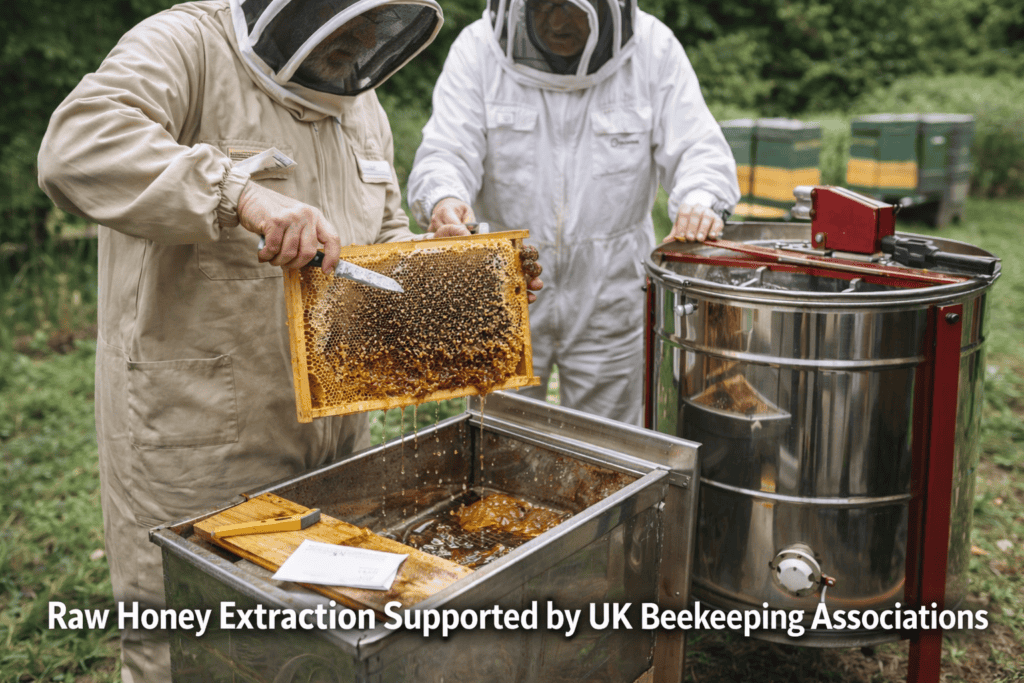
Training Beekeepers to Harvest Raw Honey Properly
Associations teach extraction methods that preserve:
- Enzymes
- Antioxidants
- Natural pollen
- Unique floral flavours
This ensures the final product remains true raw honey — unpasteurised, unfiltered, and full of nutritional value.
Local Honey Associations Promote Good Hygiene Practices
Associations train members in:
- Hygienic extraction
- Food-safe storage
- Correct bottling methods
- Honey filtering standards
This protects honey from contamination and improves industry reputation.
Encouraging Sustainable Beekeeping
Good beekeeping helps produce high-quality local honey and protects the environment. Associations support practices such as:
- Planting wildflowers
- Avoiding pesticides
- Supporting local forage
- Breeding healthy queens
These practices protect pollinators and keep the honey supply natural and ethical.
How Associations Help Increase UK Local Honey Production
The UK honey industry has grown significantly due to strong association support.
More trained beekeepers = more raw honey
As associations train thousands of new beekeepers each year, hive numbers rise and more:
- Raw honey
- Local honey
- Beeswax
- Propolis
- Pollen
…enter the UK market.
Disease Control Increases Colony Survival
Bee diseases such as:
- Varroa
- Nosema
- European Foulbrood
- American Foulbrood
…can wipe out colonies quickly.
Associations teach early detection and safe treatment methods.
This increases hive survival and boosts honey production.
The UK National Bee Unit provides disease advice:
https://nationalbeeunit.com
Collaboration Increases Honey Industry Strength
When beekeepers join together through associations, they:
- Exchange knowledge
- Share resources
- Improve breeding stock
- Support group honey sales
- Protect regional honey identity
This elevates overall honey quality.
Local Honey Associations Provide Essential Bee Health Support
Bee health is fundamental to honey production.
Disease Monitoring and Reporting
Associations work with the National Bee Unit to:
- Monitor outbreaks
- Collect samples
- Advise beekeepers
- Support inspections
This protects the wider honey supply.
Workshops on Bee Behaviour and Swarm Control
Associations help beginners understand:
- Swarm triggers
- Queen replacement
- Colony expansion
- Brood management
Controlled swarming improves productivity and stabilises the raw honey supply.
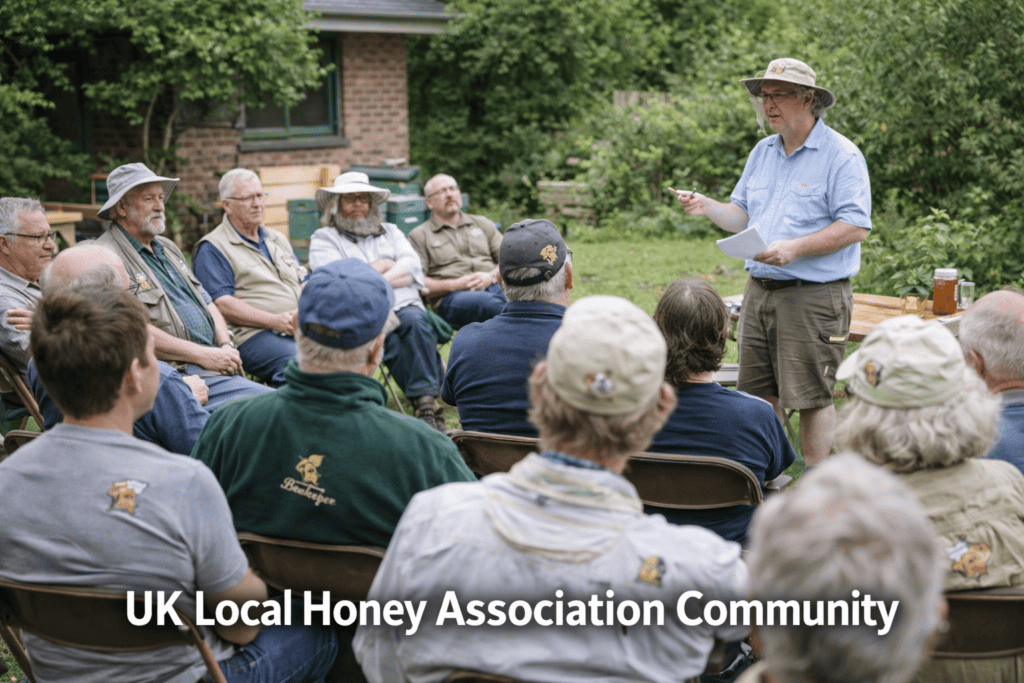
Benefits of Joining a Local Honey Beekeeping Association
Joining an association offers long-term advantages.
Access to Exclusive Beekeeping Resources
Members gain:
- Library books
- Online courses
- Workshops
- Manuals
- Guest lectures
This makes beekeeping easier and more enjoyable.
Affordable Insurance and Legal Protection
Associations often include:
- Public liability insurance
- Bee disease insurance
- Swarm retrieval protection
This is essential for responsible beekeeping.
Equipment Discounts and Bulk Purchases
Many associations partner with suppliers like:
- Thorne
- Maisemore
- Modern Beekeeping
Members receive discounts on:
- Hives
- Frames
- Tools
- Extractors
Lower costs = more affordable local honey production.
Local Honey Associations Strengthen Sustainability and Pollination
Beekeeping associations directly support the environment by promoting:
- Wildflower planting
- Pesticide-free gardening
- Community pollination projects
- Bee-friendly farming practices
This increases forage availability and helps reduce the decline of UK pollinators.
How Local Honey Associations Contribute to the UK Honey Industry’s Growth
The UK honey industry has expanded partly because associations create thousands of confident, informed beekeepers each year.
Associations Build Confidence for New Producers
Confident beekeepers manage more hives and produce better raw honey.
Associations Protect Regional Honey Identity
Many regions proudly produce unique local honey, such as:
- Scottish heather
- Yorkshire wildflower
- Lancashire meadow honey
- Welsh mountain honey
Associations help preserve these identities.
Group Collaboration Boosts Market Visibility
Many associations:
- Attend food shows
- Host honey festivals
- Support members selling honey
- Promote bee education
This increases honey demand nationwide.
- Local Honey Product:
https://numidiakingdom.co.uk/product/numidia-wildflower-honey-500g/ - Raw Honey Vinegar:
https://numidiakingdom.co.uk/product/numidia-honey-vinegar-250ml/
🔗 Strong External Links (Authoritative Sources)
- British Beekeepers’ Association (BBKA): https://www.bbka.org.uk
- National Bee Unit (NBU): https://nationalbeeunit.com
- Bee Health Advisory (DEFRA): https://www.gov.uk/guidance/bee-health
- UK Wildlife Trusts on Pollinators: https://www.wildlifetrusts.org/actions/help-bees
