Pure Honey
The Truth About Pure Honey: What Most People Don’t Know
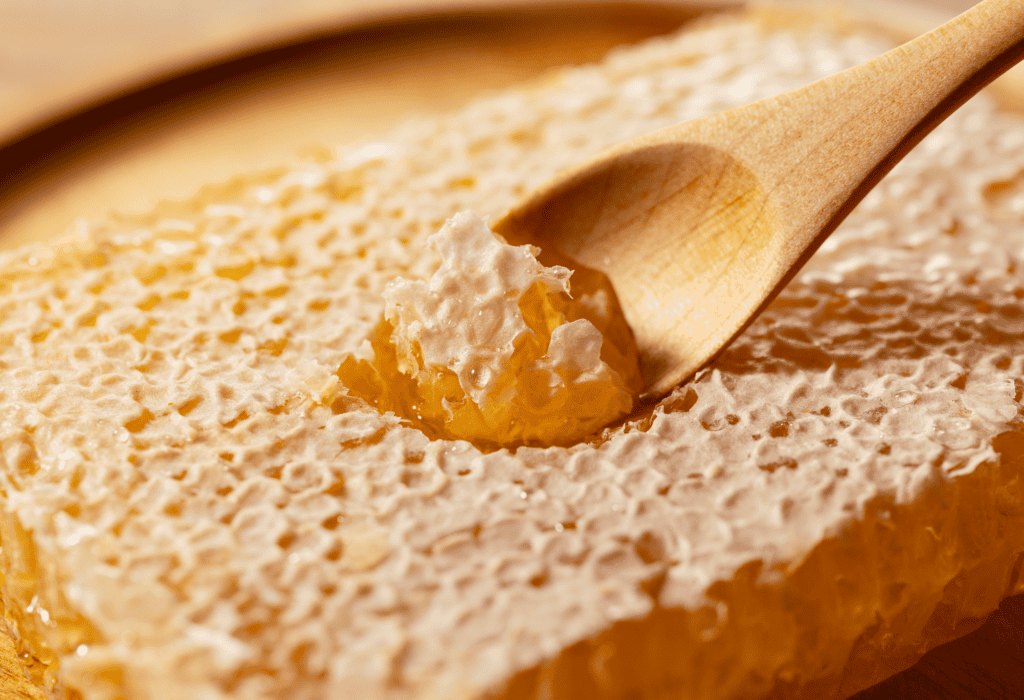
Pure honey is one of the world’s most ancient foods, yet most people still don’t know how to identify genuine honey, how it is produced, or why British honey has become one of the most trusted natural foods in the UK market. Although supermarkets are full of honey jars, only a small percentage of products labelled “pure” or “natural” truly meet the standards of raw, unprocessed honey.
In this detailed guide, we reveal the truth about raw honey, how it differs from processed varieties, and why choosing locally produced British honey supports health, sustainability, and authenticity.
What Is Pure Honey?
Pure honey is honey that has not been heated, filtered, diluted, or blended with imported syrups. It remains as the bees created it—rich in natural enzymes, antioxidants, vitamins, minerals, pollen, and beneficial compounds.
How Genuine Pure Honey Is Made
- Honeybees collect nectar from flowers.
- Enzymes in their bodies break the nectar down into simple sugars.
- Bees deposit it inside hexagonal wax cells.
- They fan their wings to reduce moisture.
- Once the honey is ready, bees seal the cell with fresh wax.
This process produces a complex natural food with more than 200 beneficial compounds, making pure honey far more valuable than processed alternatives.
Why Pure Honey Is Different From Processed Honey
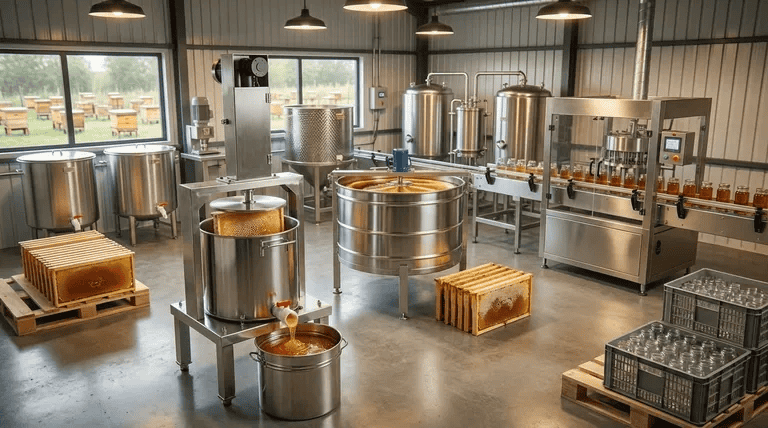
Many commercial honey brands on supermarket shelves undergo heavy processing, including:
1. High-Temperature Pasteurisation
Heating destroys natural enzymes that give raw honey its health benefits. Temperatures above 40°C damage key nutrients.
2. Ultra-Filtration
Fine filtration removes pollen, the fingerprint of real honey. Without pollen, consumers cannot trace the honey’s origin.
3. Blending With Imported Honey
Some products are blends from dozens of countries, making it impossible to guarantee purity.
4. Syrup Adulteration
In some countries, honey is mixed with rice, corn, or fructose syrup. Studies show that global honey fraud is widespread.
The Result?
Processed honey looks clear but has fewer nutrients, less taste, and much lower value than genuine pure honey.
The Rising Popularity of Pure Honey
British honey has gained a strong reputation because:
- UK regulations are strict
- British beekeepers prioritise quality over volume
- Local flora (wildflowers, clover, willowherb, heather) produce premium nectar
- Sustainable practices preserve bee health
- No large-scale industrial honey factories exist in the UK
When consumers buy British honey, they know they’re getting a genuine, trustworthy product that supports local bees and biodiversity.
How to Identify Real Pure Honey
Most people cannot tell real honey from fake honey just by looking at it. Here are reliable tests and signs:
1. Pollen Presence
Pure honey contains natural pollen. If a honey label says “ultra-filtered,” it is not pure.
2. Natural Crystallisation
Pure honey crystallises over time. Fake honey stays liquid unnaturally long.
3. Aroma and Taste
Pure honey has:
- A floral aroma
- Complex flavours
- Variation based on the nectar source
Processed honey tastes mostly sweet but flat.
4. Label Transparency
Pure honey labels are simple:
- Single-origin
- Local origin
- Unfiltered
- Raw
- Produced by identifiable beekeepers
5. Country of Origin
Labels such as “a blend of EU and non-EU honey” indicate a low-quality or diluted product.
Health Benefits of Pure Honey
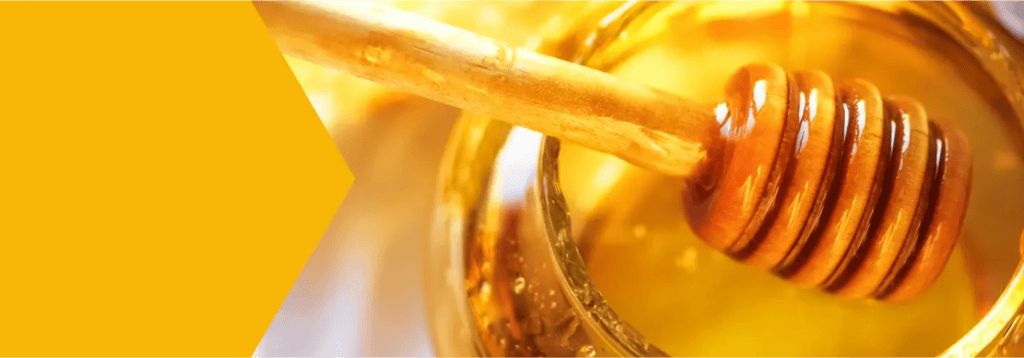
British honey is a functional food. When unheated and unfiltered, it provides:
1. Natural Antioxidants
Protects cells from oxidative stress.
2. Prebiotics for Gut Health
Supports digestion and encourages good bacteria.
3. Immune System Support
Bee compounds support the immune response.
4. Natural Antibacterial Properties
Pure honey contains hydrogen peroxide, giving it antibacterial action.
5. Energy Boost Without Crashes
Unlike refined sugar, honey provides stable energy.
6. Relief for Cough and Sore Throat
NHS studies confirm honey can be more effective than over-the-counter cough medicines.
7. Skin and Wound Healing
Used in medical-grade honey bandages for centuries.
Why Pure Honey Costs More
British honey is not cheap—and for good reasons:
- Labour-intensive beekeeping
- Limited seasons in the UK
- High production standards
- Ethical hive management
- No shortcuts like syrups or blending
When you buy genuine pure honey, you pay for authenticity, health benefits, and sustainable food production.
How British Honey Supports the Environment
British beekeeping strengthens the environment in several ways:
Pollination
Bees pollinate up to 75% of crops in the UK.
Biodiversity Protection
Beekeepers help protect wild habitats.
Low Carbon Footprint
Local British honey travels fewer miles than imported honey from Asia or South America.
Support for Local Agriculture
Buying British honey keeps small rural businesses alive.
How to Use Pure Honey in Daily Life
1. In Your Food
- Breakfast toppings
- Tea and drinks
- Marinades
- Baking
- Salad dressings
2. For Wellness
- Morning spoon for immunity
- Before sleep for cough relief
- Mixed with warm water and lemon
3. For Skin and Beauty
- Natural face mask
- Lip treatment
- Scalp hydration
The Hidden Advantages of Choosing Pure Honey Over Blended Honey
Many consumers believe all honey labelled as “pure” is the same, but the truth is very different. Understanding the hidden advantages of Raw honey helps you make better choices and avoid low-quality blends that dominate supermarket shelves. Genuine pure honey offers superior nutrition, stronger flavour, and complete transparency—qualities that blended honey cannot match.
Pure Honey Preserves Its Natural Structure
Blended or processed honey often loses its natural texture due to heating and industrial filtration. Raw honey, especially British pure honey, keeps the natural balance of enzymes, antioxidants, and pollen exactly as the bees created it. This natural structure is the reason why raw honey is more beneficial and more flavourful.
Pure Honey Comes From a Single Trusted Source
With blended honey, the origin is almost impossible to trace. A jar may contain honey from 10–20 different countries, making quality inconsistent. Pure honey, especially from British producers, offers a major advantage: you know exactly where your honey comes from. The flavour, quality, and purity are guaranteed.
Pure Honey Reflects Local Flora and Seasonal Changes
Pure honey captures the unique essence of local flowers—wildflower, clover, ivy, and heather in the UK. Each batch reflects the season, the weather, and the floral landscape around the hive. This natural diversity gives raw honey a richer flavour and higher nutritional value compared to blended honey, which tastes the same every time because it is heavily processed.
Why Pure Honey From Local Producers Is the Best Choice
Local beekeepers provide honey that is:
- Fresh
- Traceable
- Sustainably produced
- Authentic
- Unfiltered
- Not blended or altered
This is why Numidia Kingdom’s British honey stands out:
You support ethical beekeeping while enjoying premium-quality honey made in Lancashire.
- Numidia Wildflower Honey 500g → /product/numidia-wildflower-honey-500g/
- Numidia Honey Vinegar 250ml → /product/numidia-honey-vinegar-250ml/
- Our Beekeeping Process → /numidia-honey-the-amazing-life-of-honey-bees-inside-the-hive/
- About Numidia Kingdom → /about-us/
- Shop All Honey Products → /shop/
- NHS – Honey for Cough Relief
https://www.nhs.uk/news/medication/honey-better-for-coughs-than-antibiotics - UK Gov – Beekeeping Guidance
https://www.gov.uk/guidance/honey-regulations - British Beekeepers Association
https://www.bbka.org.uk - Food Standards Agency – Honey Adulteration
https://www.food.gov.uk - National Library of Medicine – Honey Antimicrobial Studies
https://pubmed.ncbi.nlm.nih.gov - European Food Safety Authority
https://www.efsa.europa.eu - Apimondia – Global Honey Quality Reports
https://www.apimondia.org - Scientific Study on Honey Nutrients
https://www.ncbi.nlm.nih.gov/pmc/articles/PMC3611628
