British Honey
British Honey for Skin: A Natural Way to Hydrate & Glow
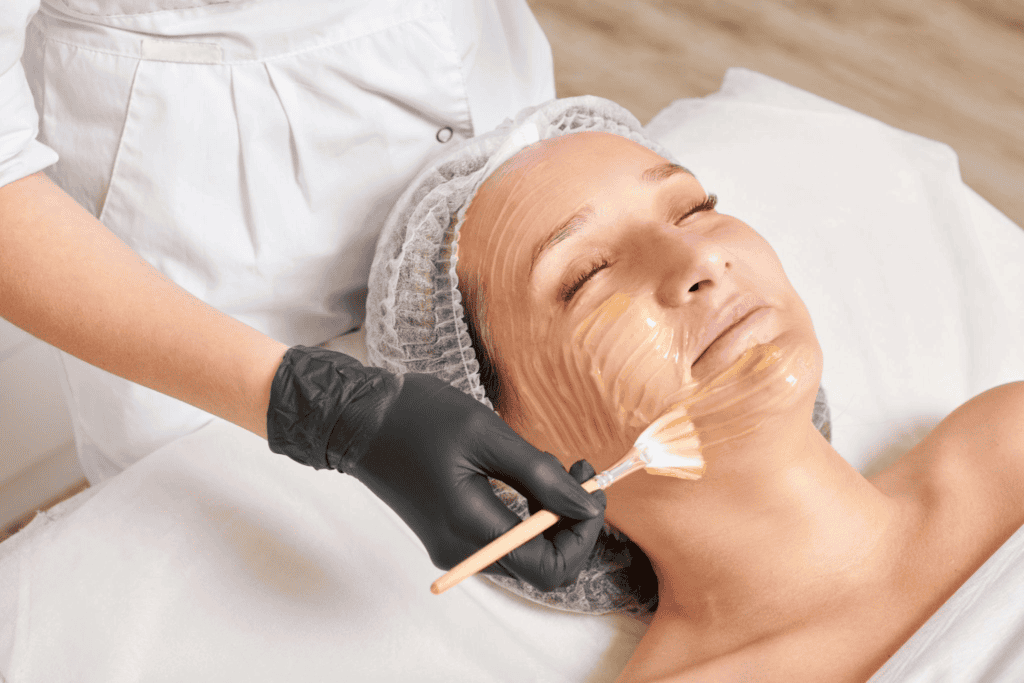
Skincare has become one of the fastest-growing industries in the world, yet many people still overlook one of the most powerful natural ingredients available: British honey. For centuries, honey has been used as a natural remedy for dryness, irritation, acne, and dull skin. Today, dermatologists and beauty experts continue to recommend raw honey as part of a healthy skincare routine because of its natural nutrients, antibacterial properties, and intense hydration.
This article explains why British honey is exceptionally beneficial for your skin, what makes raw honey different, and how you can use it effectively at home for glowing, hydrated, and healthy skin.
Why British Honey Is So Effective for Skin
British honey is known for its high purity, natural antioxidants, and rich floral profile. Unlike mass-produced honey from industrial farms, British honey is typically produced in smaller batches, harvested ethically, and kept in its natural state.
British Honey Contains Natural Antioxidants
The antioxidants in British honey fight free radicals that damage skin cells. Regular use helps reduce dullness and improve skin tone.
British Honey Is Naturally Antibacterial
Raw British honey contains hydrogen peroxide and bee-derived compounds that help kill bacteria on the skin. This makes it effective for acne-prone skin.
British Honey Provides Deep Hydration
Honey is a humectant—it pulls moisture from the air into your skin. This keeps your skin hydrated, smooth, and naturally glowing.
British Honey Supports Skin Barrier Repair
The natural enzymes and amino acids in British honey help repair damaged skin barriers caused by dryness, pollution, and sun exposure.
British Honey vs Regular Honey for Skin
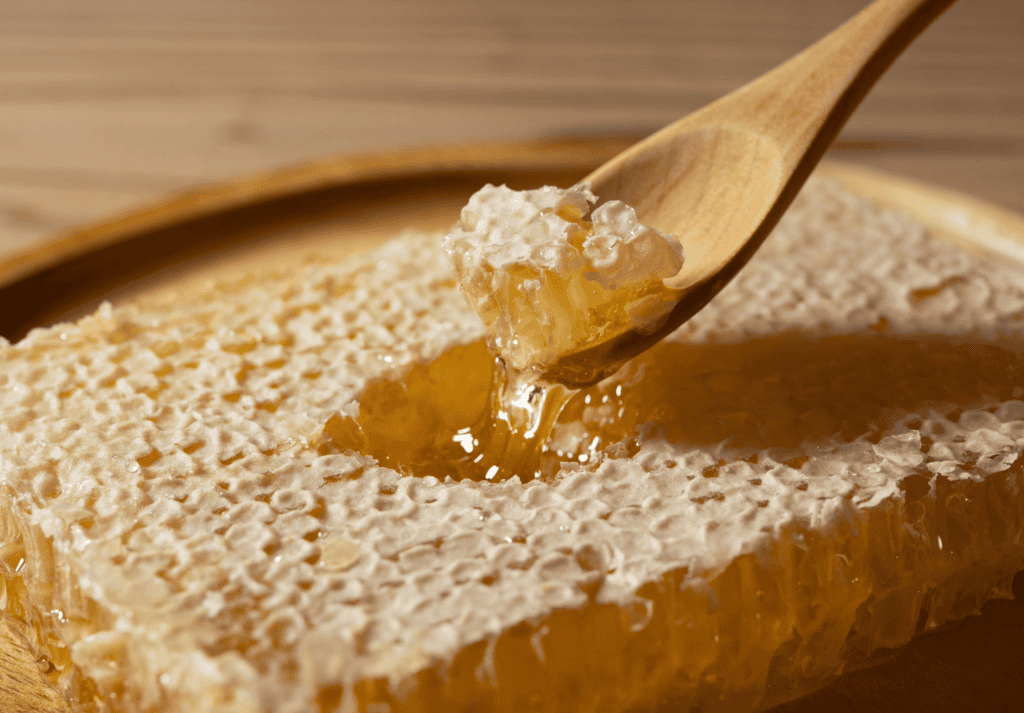
Not all honey is suitable for skincare. To get real results, the honey must be raw.
British Honey Contains More Nutrients
Raw honey is unheated and unfiltered. This means enzymes, vitamins, minerals, and pollen stay intact—exactly what your skin needs.
Regular Honey Is Usually Processed
Most supermarket honey is heated and ultra-filtered, removing many beneficial compounds. It becomes sweeter but less effective for skin.
Raw Honey Has Stronger Healing Power
Studies show raw honey promotes wound healing and tissue repair, making it ideal for irritated or sensitive skin.
British Honey Holds More Moisture
Because raw honey keeps its natural humectant structure, it provides deeper hydration.
How Honey Works on the Skin
Honey is one of the few natural ingredients with clinically proven skin benefits.
Antibacterial Effects
Helps reduce acne-causing bacteria without drying the skin.
Anti-Inflammatory Properties
Soothes redness, irritation, and swelling.
Moisture Retention
Keeps skin hydrated for long periods.
Brightening Effect
Enzymes in raw honey gently exfoliate dead skin, revealing a natural glow.
Supports Collagen Production
Honey contains natural compounds that help the skin maintain elasticity.
Top Benefits of Using British Honey on Your Skin
✔ Hydrates dry skin
✔ Brightens dull skin
✔ Gently exfoliates
✔ Reduces acne
✔ Supports healing
✔ Softens fine lines
✔ Improves texture
British honey is loaded with amino acids, antioxidants, and natural sugars that nourish the skin from the outside.
How to Use Honey for Glowing and Hydrated Skin
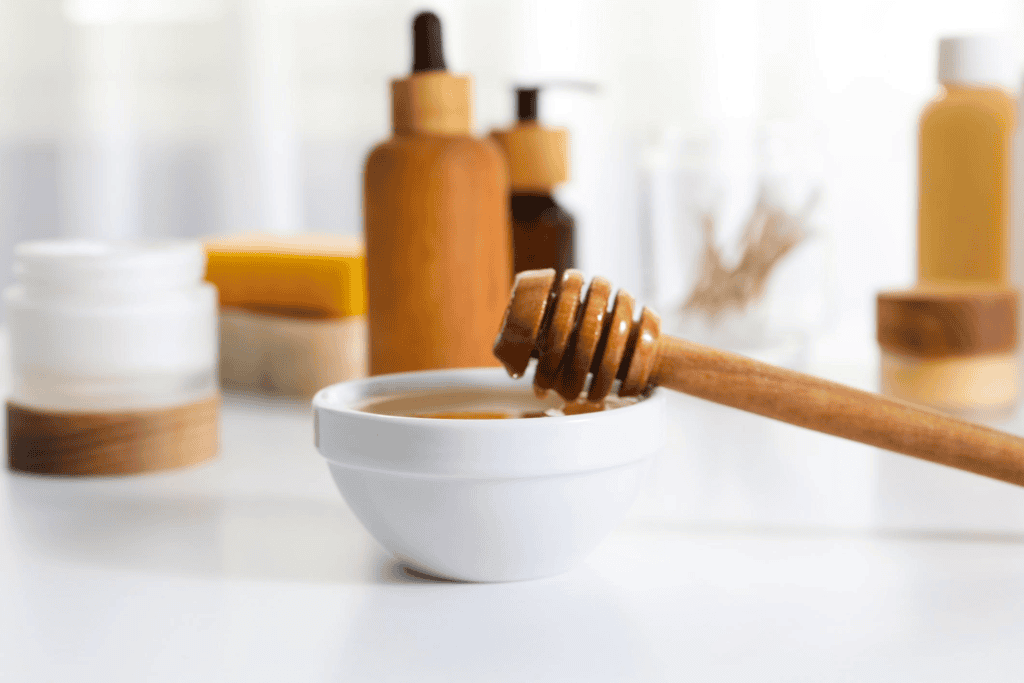
1. Honey Hydration Mask
Apply a thin layer of raw honey directly onto clean skin.
Leave for 15–20 minutes.
Rinse with warm water.
Benefits:
– Deep hydration
– Smooth texture
– Natural glow
2. Honey + Lemon Brightening Mask
Mix:
- 1 tbsp raw honey
- A few drops of lemon juice
Lightens dark spots and evens skin tone.
3. Honey for Acne Treatment
Apply a small drop of raw honey to active pimples.
Leave overnight.
Honey reduces inflammation and bacteria.
4. Exfoliating Honey Scrub
Mix:
- 1 tbsp raw honey
- 1 tsp brown sugar
Gently exfoliates dead skin for a smoother appearance.
5. Honey for Lip Hydration
Apply honey to lips for 10 minutes.
Wipe off gently.
Leaves lips soft and moisturised.
Why British Honey Is Safer for Sensitive Skin
Sensitive skin needs gentle ingredients that do not irritate. British honey is ideal because:
Low Risk of Additives
Local raw honey is rarely mixed with additives or syrups.
No Artificial Fragrances
Processed honey sometimes contains artificial scents. Raw honey does not.
Naturally Anti-Inflammatory
Reduces irritation and redness, making it suitable for eczema-prone skin.
Scientific Evidence: Why Honey Works
Honey’s skincare benefits are backed by science.
Antibacterial Research
Studies show honey kills harmful skin bacteria including P. acnes and Staphylococcus aureus.
Wound Healing
Clinical research shows honey accelerates healing by maintaining moisture and delivering nutrients.
Antioxidant Activity
Raw honey contains flavonoids and phenolic acids—powerful compounds that protect skin from ageing.
Choosing the Best Honey for Skin
Not all honey works the same for skincare. Choose:
✔ Raw
✔ Unfiltered
✔ British origin
✔ Single-origin (wildflower, clover, heather)
✔ Small-batch production
These types of honey provide maximum benefits for glow and hydration.
- Numidia Wildflower Honey 500g → /product/numidia-wildflower-honey-500g/
- Numidia Honey Vinegar 250ml → /product/numidia-honey-vinegar-250ml/
- Our Beekeeping Practices → /numidia-honey-the-amazing-life-of-honey-bees-inside-the-hive/
- About Numidia Kingdom → /about-us/
- Shop British Honey → /shop/
- NHS – Honey for Sore Skin & Healing
https://www.nhs.uk - British Beekeepers Association
https://www.bbka.org.uk - PubMed – Honey Wound Healing
https://pubmed.ncbi.nlm.nih.gov - National Library of Medicine – Honey Antibacterial Properties
https://www.ncbi.nlm.nih.gov - Food Standards Agency – Authenticity of Honey
https://www.food.gov.uk - Dermatology Journal – Honey in Skincare
https://www.sciencedirect.com/journal/journal-of-the-american-academy-of-dermatology - European Food Safety Authority
https://www.efsa.europa.eu - Scientific Study on Honey Nutrients
https://www.ncbi.nlm.nih.gov/pmc/
