
British Honey Industry
British Honey Exports: The Shocking Truth You Need to Know
Honey has always been part of the United Kingdom’s agricultural identity. From traditional apiaries in rural England to modern sustainable beekeeping operations, the UK has seen a significant increase in both honey consumption and honey production. However, in recent years, a new trend has emerged: the rapid growth of British honey exports, especially premium wildflower honey and raw honey varieties.
This article explores the scale of British honey exports, how global demand is increasing, and how this shift affects the UK’s local honey market—while also highlighting producers such as Numidia Honey who contribute to elevating the standard of British products internationally.
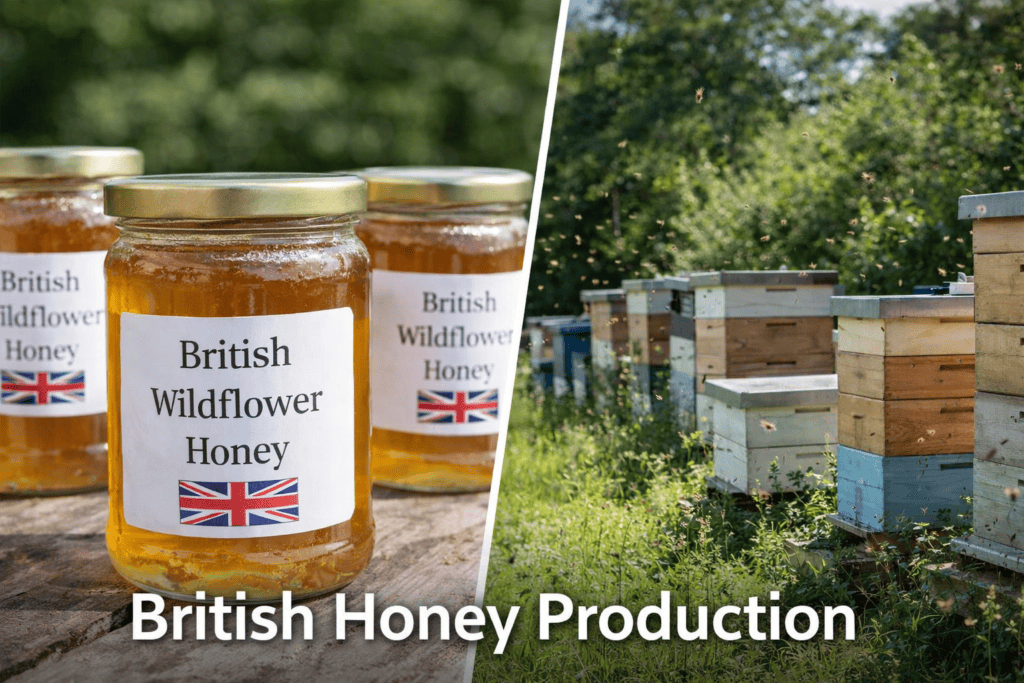
Understanding the Rise of British Honey Exports
The global food market has always valued authenticity and provenance, but today’s consumers and international buyers are more educated and selective than ever. Because of that, demand for British honey—known for its purity, traceability, and floral diversity—has skyrocketed.
According to UK trade reports and agricultural export analyses, the volume of honey exported from Britain has grown steadily over the past decade. The reasons for this growth include:
- Global consumers trust British food safety standards
- Growing Middle Eastern demand for European honey
- Rising popularity of raw honey as a natural health product
- GCC (Gulf countries) preference for premium, unfiltered honey
- Increased presence of UK honey in specialty food markets worldwide
In markets like Kuwait, UAE, and Qatar, high-quality honey is seen as both a gourmet item and a health product. This has encouraged distributors and importers to look beyond mass-produced honey and invest in authentic British brands.
Why British Honey Is in High Global Demand
Several factors drive global interest:
1. Purity & Traceability
Consumers want honey they can trust—free from adulteration, corn syrups, or overheating. British regulations provide this assurance.
2. Diversity of Nectar Sources
UK honey often contains nectar from clover, wildflower, heather, borage, hawthorn, and blackberry blossoms—offering unique flavour profiles.
3. Strict Food Safety Standards
The UK has some of the most rigorous quality standards in Europe, giving foreign buyers confidence.
4. Shift Toward Natural Health Products
Raw honey is increasingly used as a natural immunity booster, digestive aid, and daily wellness supplement.
How Much British Honey Is Exported Each Year?
While the UK produces roughly 6,000–10,000 tonnes of honey annually (depending on weather conditions), the demand inside the UK is much higher. The UK imports more honey than it exports, but the export segment is growing faster than ever.
Estimated British Honey Export Statistics (Based on Trade Data):
- Exports have increased between 10–20% annually in the last 5 years
- The majority of exports go to:
- UAE
- Kuwait
- Qatar
- Saudi Arabia
- Singapore
- Hong Kong
- Japan
- Premium and raw honey jars make up most exports, not cheap blended honey
- Small-batch producers are becoming the most requested export suppliers
Even though the UK is not one of the world’s top honey producers, the quality of British honey is what drives exports—not the volume.
The Growing Influence of Raw Honey on Export Markets
Raw honey is honey that has not been heated, filtered heavily, or pasteurised. International buyers—from health food distributors to gourmet retailers—prefer raw honey because it retains:
- Enzymes
- Antioxidants
- Pollen
- Full natural flavour
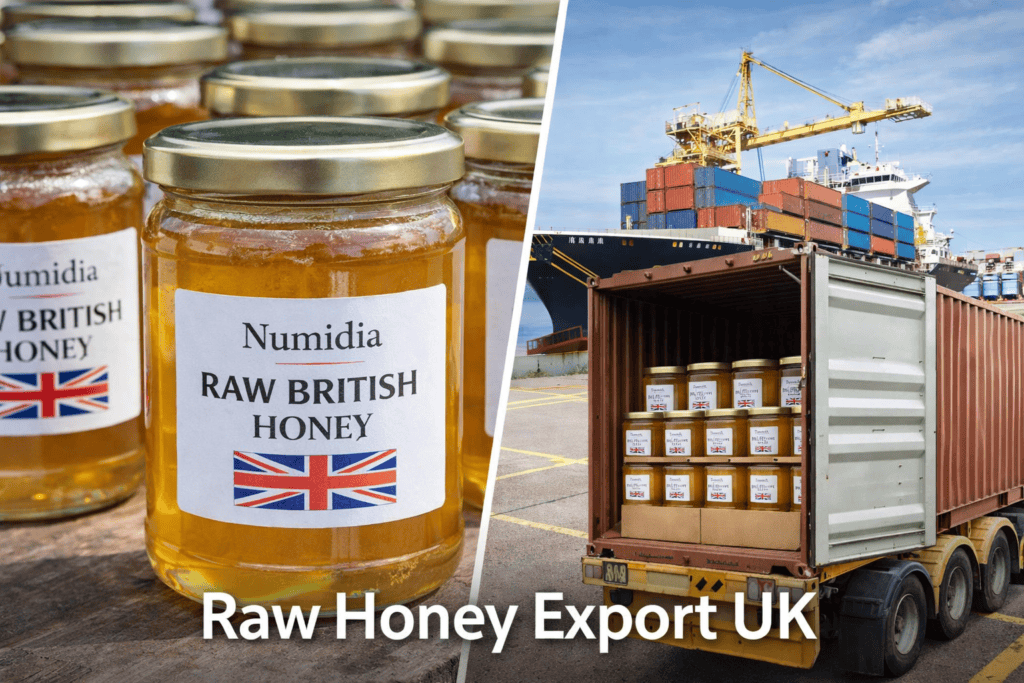
Middle Eastern markets, in particular, consider raw honey a premium product category. This is why UK exporters offering raw honey tend to receive more enquiries compared to sellers of standard commercial honey.
Brands like Numidia Honey benefit from this trend because their honey fits the exact demand profile: natural, unfiltered, and produced in the UK.
How British Honey Exports Affect the Local Market
The rise of UK honey exports has a direct impact on the domestic market. Here are the key effects:
1. Higher Prices for Local Consumers
Because exports often pay premium prices, producers may prefer selling abroad. This can reduce local supply and increase retail prices within the UK.
This effect is similar to how British beef, lamb, and dairy exports influence local pricing.
2. Stronger Demand for Authenticity
As more UK honey reaches international shelves, British consumers also become more aware of:
- the differences between raw and processed honey
- the risks of imported adulterated honey
- the importance of supporting local producers
This drives more UK shoppers to seek British honey from trusted brands.
3. Boost for Small & Medium Honey Producers
Export opportunities allow smaller UK apiaries to:
- increase production
- invest in new equipment
- expand beekeeping operations
- create jobs
- build partnerships abroad
This helps the entire UK honey industry grow sustainably.
4. Encourages Better Quality Standards
Because export buyers demand:
- certificates of origin
- laboratory reports
- unfiltered honey
- clear traceability
- professional packaging
UK producers continue to improve quality.
This benefits both British consumers AND export markets.
Numidia Honey: A Local Producer Expanding Into Export Markets
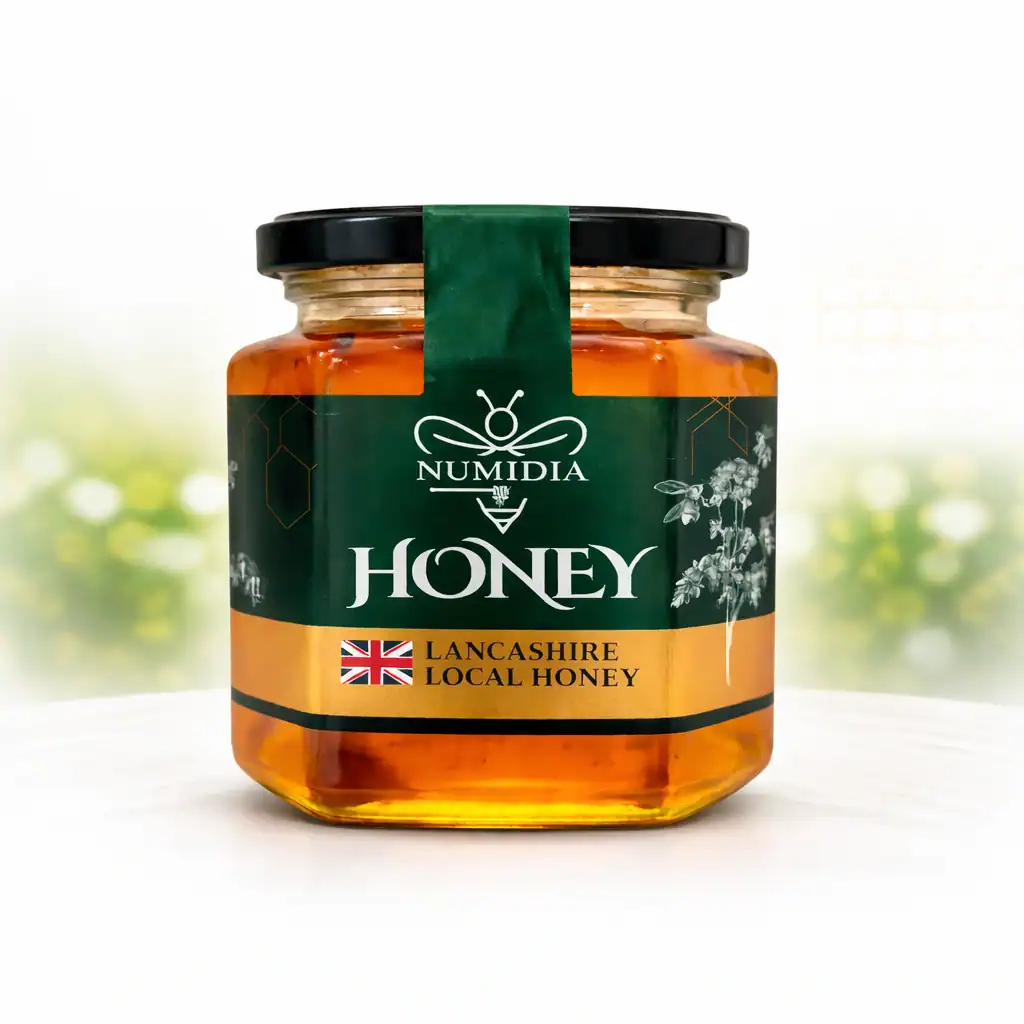
Producers like Numidia Honey, based in the UK, showcase the modern direction of British honey exports.
Their focus includes:
- premium British wildflower honey
- raw and unfiltered honey with full natural richness
- luxury packaging for export markets
- honey vinegar, an innovative fermented product popular in GCC countries
- small-batch, ethically managed beekeeping
- commitment to authenticity and purity
Brands like this represent what the global market truly wants:
quality over quantity.
How British Honey Producers Can Prepare for Export
Based on GCC buyer feedback and import trends, UK honey producers need:
✔ Proper export documentation
- Certificate of Origin
- Packing List
- Commercial Invoice
- HS Codes
- Shelf-life and ingredient certificates
✔ Packaging suitable for international shipping
- Strong cartons
- Clear labels
- GS1 barcodes
✔ FOB or CIF pricing
Most Gulf importers prefer FOB UK (Liverpool or Felixstowe).
✔ Raw honey options
As raw honey continues to dominate global demand, exporters gain a significant competitive advantage.
✔ Arabic labelling (for Kuwait & Qatar retail)
High-value retail items require bilingual packaging.
Will British Honey Exports Continue Growing?
All signs point to yes.
Here’s why:
- The global market is moving toward premium, natural, unprocessed foods
- British honey has a reputation for quality and purity
- Middle Eastern markets will continue paying premium prices
- Food awards such as Great Taste and Pentawards increase visibility
- More UK producers are scaling their operations
- E-commerce has opened export channels
Despite competition, Britain’s honey industry is positioned for long-term export growth.
🔗 Internal links
External authoritative links:
- UK Trade Tariff – HS Codes
- National Honey Monitoring Scheme
- British Beekeepers Association
- UK Government Agriculture & Food Exports
Conclusion
The rise in British honey exports is reshaping both global and local markets. While the UK may not be a top-volume honey producer, its commitment to quality, authenticity, and raw, unprocessed honey gives it a competitive advantage abroad.
From GCC luxury retailers to high-end restaurants in Asia, the demand for premium UK honey continues to accelerate. Producers like Numidia Honey exemplify the excellence that international buyers are looking for.
As global consumers increasingly appreciate pure, natural foods, the future of British honey exports looks brighter than ever.
