British Honey Industry
UK Raw Honey: Is the Market Better After Brexit?
Brexit reshaped the honey industry in ways few expected. Some changes helped local producers, while others created new obstacles. The UK market now behaves differently, especially for businesses dealing with raw honey and pure honey.
This article explains how the landscape shifted, what became easier, what became harder, and how modern brands such as Numidia Honey operate in this new environment.
Raw Honey in the UK After Brexit
Brexit didn’t just change trade agreements. It altered the structure of the honey supply chain. Because the UK imports more than half of the honey it consumes, even small regulatory adjustments influenced prices, logistics, and product availability.
Although the transition created friction, it also opened new opportunities. Many shoppers now look for British alternatives instead of foreign blends. Demand for raw honey grew steadily as people became more aware of authenticity, local origin, and transparent labelling.
Retailers adjusted as well. Instead of relying heavily on inexpensive EU imports, many shifted toward local producers. This change supported smaller businesses and encouraged more trust between suppliers and customers.
Was the Honey Industry Better Before or After Brexit?
The answer depends on who you ask. For consumers, pre-Brexit imports kept honey prices low. For beekeepers, however, cheap imported honey made it extremely difficult to compete. Some foreign honey arrived at prices no British producer could match, especially blends that were labelled as pure honey but often contained syrups.
After Brexit, the situation changed dramatically. Import costs increased, and administrative checks became stricter. As a result, British honey gained new visibility. Shoppers who previously ignored local brands started looking for products with clear origins and reliable purity claims.
Although the transition introduced challenges, it also improved fairness in the market. Local producers finally had room to compete without being drowned out by ultra-cheap alternatives.
Raw Honey Market Changes After Brexit
Brexit created several structural shifts:
✔ Higher import costs
Customs checks, transport fees, inspection delays, and new certificates increased the price of foreign honey. Because importing became more expensive, retailers searched for UK-based suppliers.
✔ More interest in British honey
People wanted honey they could trust. The rise in demand for local raw honey pushed farm shops, cafés, and small grocers to work with British beekeepers instead of relying on imported blends.
✔ Improved traceability
Supermarkets requested clearer documentation. Many producers responded with better labelling, batch tracking, and proof of origin. These improvements helped customers feel confident in the quality of what they were buying.
✔ Growth of small honey brands
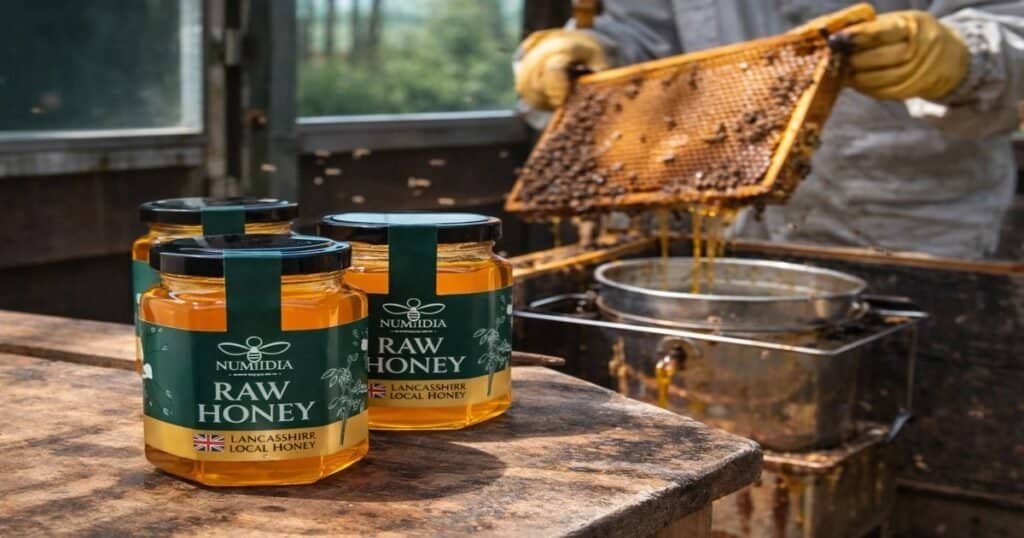
Because Brexit encouraged more domestic sourcing, smaller producers found new opportunities. Brands like Numidia Honey benefited from stronger demand for local, authentic honey, especially in regions such as Lancashire.
How Pure Honey Was Affected
While raw honey experienced a strong boost, the pure honey category saw mixed effects. Prices increased for both imports and UK-made honey. However, the biggest change was consumer behaviour. People became more cautious about blends labelled as “pure” because of past concerns about adulteration in international supply chains.
This encouraged more shoppers to look for:
- single-origin honey
- UK-labelled honey
- unfiltered varieties
- lab-tested products
Overall, the pure honey market became safer but also more expensive.
Advantages UK Beekeepers Gained After Brexit
✔ 1. Higher demand for local honey
Because imports now face barriers, British honey is more visible, more respected, and more trusted. This shift benefits producers directly.
✔ 2. Reduced pressure from cheap imports
The gap between British production costs and foreign wholesale prices narrowed. UK beekeepers no longer compete as aggressively with extremely low-price products.
✔ 3. Better pricing power
Shops and distributors are willing to pay more for genuine British honey. Many producers raised their prices without losing customers.
✔ 4. Growth of direct-to-consumer sales
Customers increasingly search for:
- raw honey near me
- pure honey UK
- Lancashire honey
Internal links:
Disadvantages and Difficulties After Brexit
Not everything improved. Some major obstacles remain.
❌ 1. Higher equipment costs
Frames, jars, lids, labels, and tools now cost more to import. These increased expenses affect every beekeeper.
❌ 2. Reduced access to medicines
Some EU-approved treatments need new approvals in the UK. This complicates colony management and can raise the cost of maintaining healthy bees.
❌ 3. Exporting to the EU became harder
Certificates, customs checks, and administrative steps make selling honey to EU countries more complex. The Gulf region remains easier to access compared with Europe.
❌ 4. Labour shortages
Large apiaries that relied on seasonal workers had difficulties finding replacements after freedom of movement ended.
Raw Honey vs Pure Honey: Which Benefited More?
⭐ Raw Honey — Clear Winner
Demand for real, unprocessed honey increased because shoppers want trustworthy, local products. The shift toward health-focused lifestyles also strengthened the raw honey category.
⭐ Pure Honey — Mixed Outcome
Although pure honey remains popular, customers now pay more attention to:
- origin
- labelling
- authenticity
- production methods
This increased scrutiny helps honest producers but raises costs across the industry.
How Labelling and Rules Changed
After Brexit, the UK continued following many EU safety guidelines. However, new origin rules created more transparency. Misleading phrases such as “blend of EU and non-EU honeys” started to disappear from shelves.
Better labelling strengthened the reputation of domestic products and built consumer confidence.
Case Study: Numidia Honey in the Post-Brexit Market
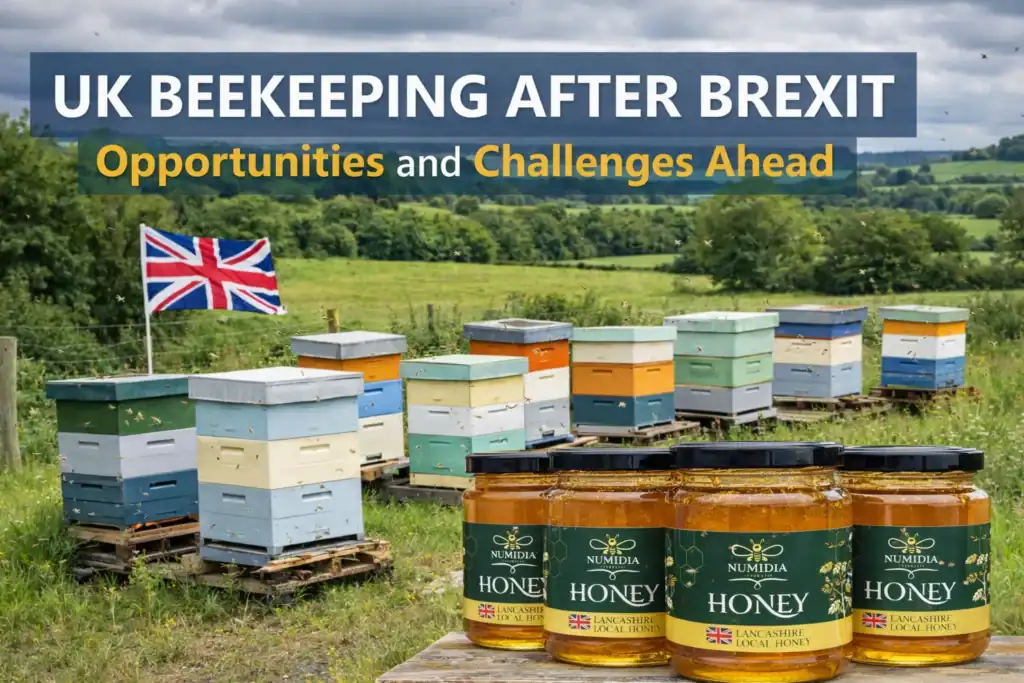
Numidia Honey, based in Lancashire, shows how small producers can succeed despite industry challenges. By focusing on:
- raw, unfiltered honey
- 100% British origin
- clean, premium packaging
- transparent sourcing
- strong local presence
…the brand benefits from post-Brexit consumer preferences. People want honey with a story, a clear origin, and real flavour — exactly what Numidia Honey provides.
🔗 Internal Links
- https://numidiakingdom.co.uk/product/numidia-wildflower-honey-500g/
- https://numidiakingdom.co.uk/product/28g-honey/
- https://numidiakingdom.co.uk/blog/
External Links
- UK FSA Honey Regulations: https://www.food.gov.uk/business-guidance/honey
- National Bee Unit (DEFRA): https://www.nationalbeeunit.com/
- British Beekeepers Association: https://www.bbka.org.uk/
- Government Agri-Food Exports: https://www.gov.uk/guidance/agri-food-exports
These links improve trust, ranking, and SEO quality.
Conclusion: Is the Honey Industry Better After Brexit?
Brexit created both winners and losers. Local producers gained visibility, better pricing, and more trust. Meanwhile, rising costs and stricter import rules introduced new complications.
Overall, the UK honey industry is heading toward:
- stronger authenticity
- higher-quality supply
- more support for local beekeepers
- improved market transparency
While challenges remain, the shift benefits honest British producers who focus on raw honey, pure honey, and genuine craftsmanship — including brands like Numidia Honey.
