Pure Honey
Pollen’s Remarkable Impact on Human Wellness and Nature with Pure Honey
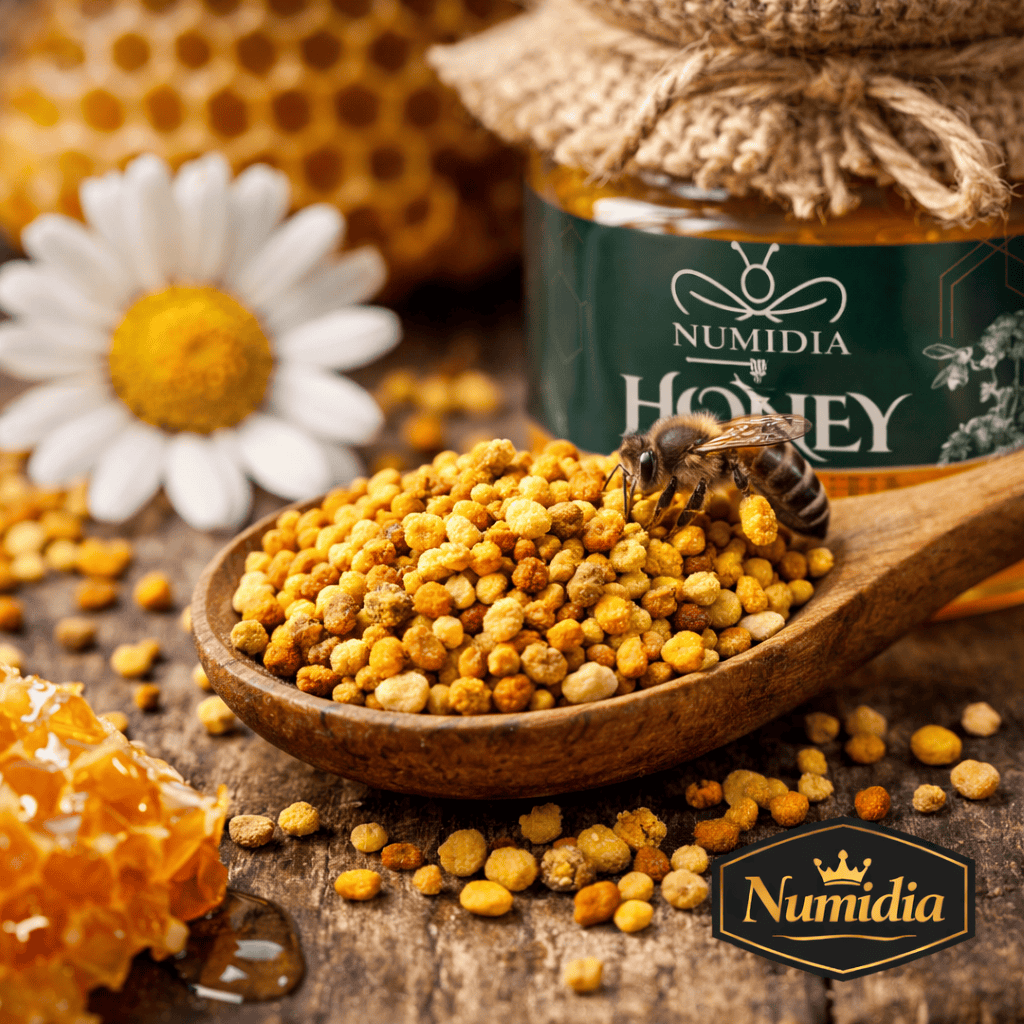
Bee pollen is one of nature’s most extraordinary nutritional treasures, and when combined with pure honey and raw honey, its benefits become even more powerful. From boosting immunity to supporting the ecosystem, pollen plays a vital role in both human health and nature. This article breaks down everything you need to know about the science, benefits, and real value of bee pollen.
Why Pure Honey and Bee Pollen Are a Natural Powerhouse
Bee pollen is often called a superfood, and for good reason. It contains an impressive mix of proteins, vitamins, minerals, amino acids, lipids, antioxidants, and enzymes — all naturally collected and refined by honey bees. When consumed with pure honey, these nutrients become even easier for the body to absorb.
Bee pollen includes:
- Over 250 active nutrients
- Complete proteins (more than beef)
- All essential amino acids
- B vitamins, vitamin C, and beta-carotene
- Iron, zinc, magnesium, potassium
- Powerful antioxidants (flavonoids & carotenoids)
So why does pairing it with honey make it better?
- Honey acts as a natural preservative, protecting pollen enzymes
- Raw honey enhances absorption and digestibility
- Honey supports the immune system, amplifying pollen’s natural benefits
The Nutritional Profile of Bee Pollen with Pure Honey
Bee pollen alone is incredible — but when eaten with pure honey, its nutritional impact becomes exceptional.
H3: Amino Acids Power Boost — Pure Honey Enhances Digestion
Bee pollen contains all 22 amino acids, making it one of the most complete natural protein sources available. However, pollen shells can be tough for digestion. Honey naturally breaks down these compounds, allowing your body to access amino acids more efficiently.
Vitamins & Minerals — Pure Honey Makes Them More Bioavailable
Raw honey contains natural enzymes such as invertase and amylase that support digestion. When paired with pollen, the body can better absorb:
- Vitamin B complex
- Vitamin C
- Zinc, magnesium, potassium
- Iron and copper
Antioxidant Protection — The Pure Honey Effect
Both honey and pollen are rich in flavonoids, which protect the body from:
- Inflammation
- Cell damage
- Premature aging
- Weakened immunity
The combination creates a natural antioxidant shield.
Major Health Benefits of Bee Pollen
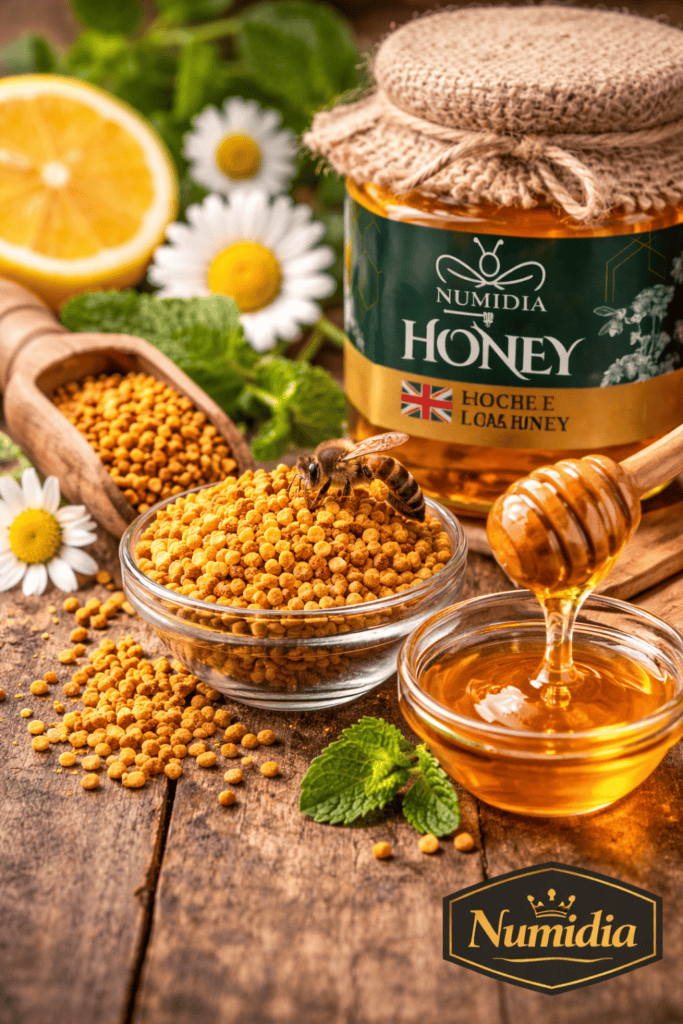
Bee pollen is recognised in scientific studies and by nutrition experts worldwide for its impressive health benefits. Here are the most important ones:
1. Immune System Strengthening with Pure Honey
Bee pollen contains compounds that may help the body fight infections. When mixed with pure honey, the combination becomes a natural immune booster thanks to:
- Antioxidant synergy
- Antimicrobial activity
- Enzymes that support gut balance
Internal link suggestion:
Add hyperlink → “Learn more about our pure honey and its benefits here.”
(Insert your product URL: /product/numidia-wildflower-honey-500g/)
2. Natural Energy Booster
Bee pollen is 40% protein and contains natural carbohydrates that provide:
- Long-lasting energy
- Better endurance
- Faster recovery
Athletes and active individuals often add pollen to yoghurt, smoothies, or honey tea.
3. Anti-Inflammatory Properties
Multiple studies highlight pollen’s ability to reduce inflammation due to flavonoids and phenolic compounds. This may help with:
- Joint pain
- Muscle recovery
- Cellular inflammation
4. Allergy Support
Local pollen may help reduce seasonal allergy symptoms by gently exposing your immune system to small amounts of natural pollen. Mixing pollen with raw honey is one of the most common natural remedies.
5. Gut Health & Digestion
Pollen contains natural enzymes that support digestion, while raw honey promotes good bacteria.
Together they help with:
- Bloating
- Slow digestion
- Nutrient absorption
6. Weight Management & Appetite Regulation
Pollen’s high nutrient density helps reduce cravings and stabilise metabolism.
7. Skin Health & Anti-Aging Benefits
Pollen’s antioxidants and vitamins support collagen production and reduce signs of aging. Many cosmetics now feature bee pollen for its skin-repairing properties.
Nature Benefits — Why Bee Pollen Is Essential for the Planet
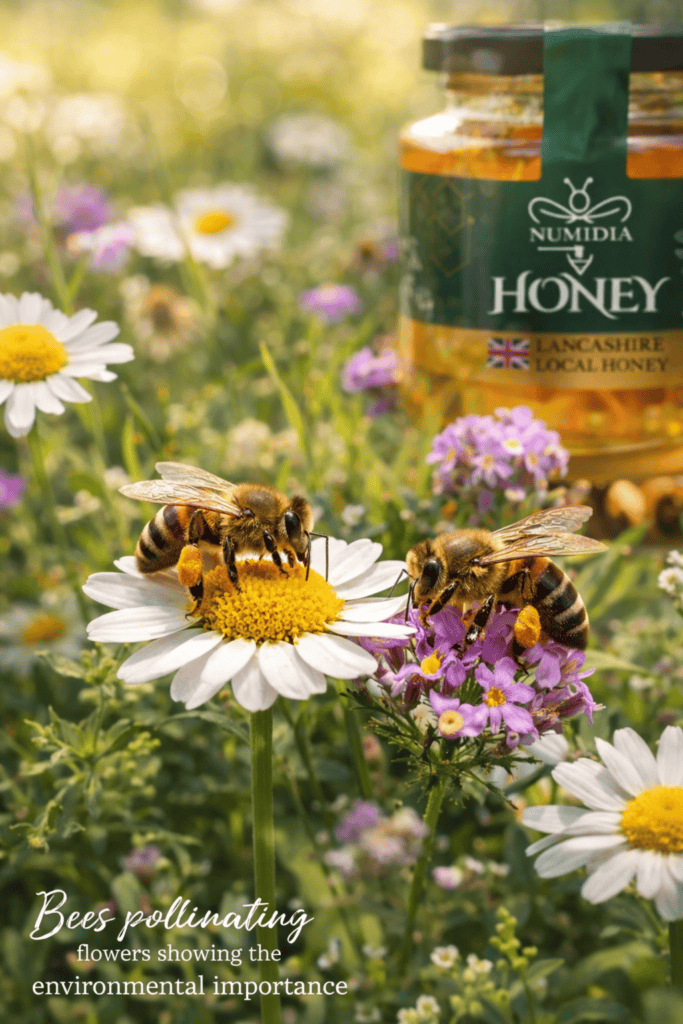
Bee pollen doesn’t only help humans — it keeps the natural world alive.
Pollination Keeps Food Systems Alive
Bees are responsible for pollinating over 75% of flowering plants and one-third of the food we eat.
Without pollen movement:
- Plants cannot reproduce
- Crops fail
- Wildlife food systems collapse
- Ecosystems decline
Honey Bees Support Biodiversity
When bees collect pollen, they accidentally spread biodiversity across landscapes:
- Wildflowers multiply
- Fruits and vegetables thrive
- Trees and shrubs reproduce
Raw Honey Production Depends on Good Pollen Sources
High-quality raw honey depends entirely on pollen diversity.
More flowers = better nectar = better honey flavour.
How to Use Bee Pollen in Daily Life
Here are the best ways to consume pollen:
- Mix 1–2 teaspoons with raw honey for a morning immune boost
- Add to yogurt or smoothies
- Sprinkle on oats or fruit
- Mix in warm (not hot) tea with honey
- Add to salad dressings with honey vinegar
Who Should Avoid Bee Pollen? (Important)
Avoid pollen if you:
- Have serious pollen allergies
- Are pregnant without doctor advice
- Have a history of anaphylaxis
Start with a very small amount to test tolerance.
- Wildflower Honey 500g
https://numidiakingdom.co.uk/product/numidia-wildflower-honey-500g/ - 28g Mini Honey
https://numidiakingdom.co.uk/product/28g-honey/ - Honey Vinegar 250ml
https://numidiakingdom.co.uk/product/numidia-honey-vinegar-250ml/ - Blog posts for supporting authority
Link to any relevant existing articles (honey health, benefits, nature, etc.)
- https://www.ncbi.nlm.nih.gov/ (scientific research on pollen compounds)
- https://www.fao.org/ (pollination & food security)
- https://www.britishbeekeepers.com/ (UK beekeeping & pollen info)
