British Honey Industry
British Honey: What Are the Hidden Problems?
Beekeeping in the United Kingdom is facing one of the most complex periods in its modern history. Behind every jar of local honey and every spoonful of pure honey, there is a beekeeper managing unpredictable weather, rising production costs, disease pressure, imported honey competition, and environmental change.
Consumers often see honey as simple — golden, natural, and sweet. But producing authentic local honey in Britain requires advanced hive management, strict food safety standards, and constant monitoring of bee health.
If UK beekeeping weakens, the availability of genuine pure honey declines — and imports fill the gap.
Why Local Honey Is Vital to the UK Food System
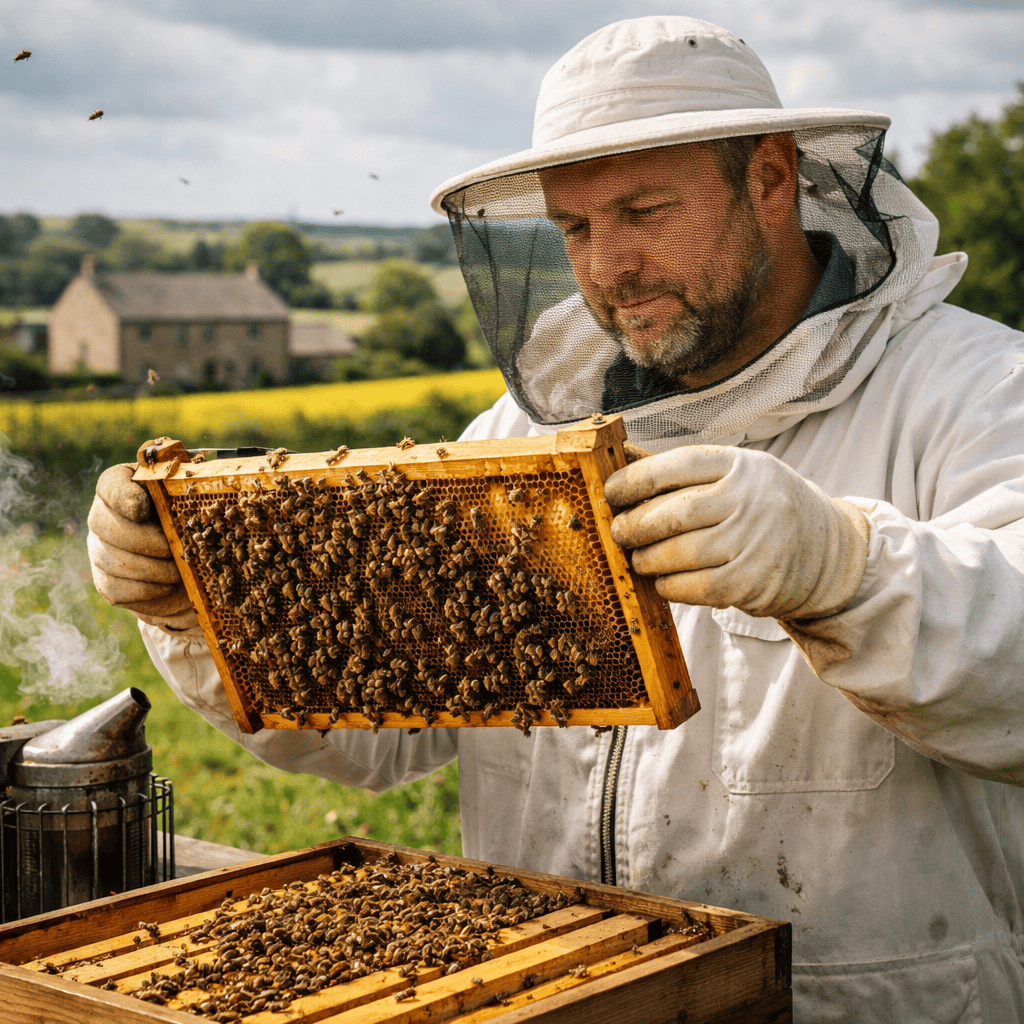
Pure honey is more than a food product — it is part of Britain’s agricultural ecosystem.
According to the Department for Environment, Food & Rural Affairs (DEFRA), domestic honey production varies significantly each year due to climate and forage conditions.
Official agricultural statistics can be accessed here:
https://www.gov.uk/government/organisations/department-for-environment-food-rural-affairs
When you purchase local honey from a British producer such as:
https://numidiakingdom.co.uk/product/numidia-wildflower-honey-500g/
you support:
- UK pollination services
- Rural employment
- Reduced food miles
- Transparent supply chains
- Higher traceability standards
Unlike blended imported honey, British pure honey is typically traceable to specific apiaries.
Climate Change and Its Impact on Local Honey Production
Weather is the foundation of local honey yields.
Data from the Met Office confirms that the UK is experiencing increased rainfall variability and warmer average temperatures:
https://www.metoffice.gov.uk/research/climate
For beekeepers, this means:
- Late frosts damaging blossom
- Heavy rain during nectar flow
- Shorter flowering periods
- Reduced honey yields
A poor flowering season can reduce local honey production by 30–50%.
This directly affects availability of high-quality pure honey the following year.
Disease Pressure Threatening Pure Honey Standards
Bee health is the single most important factor in producing premium local honey.
The National Bee Unit monitors honey bee diseases across England and Wales:
https://www.nationalbeeunit.com
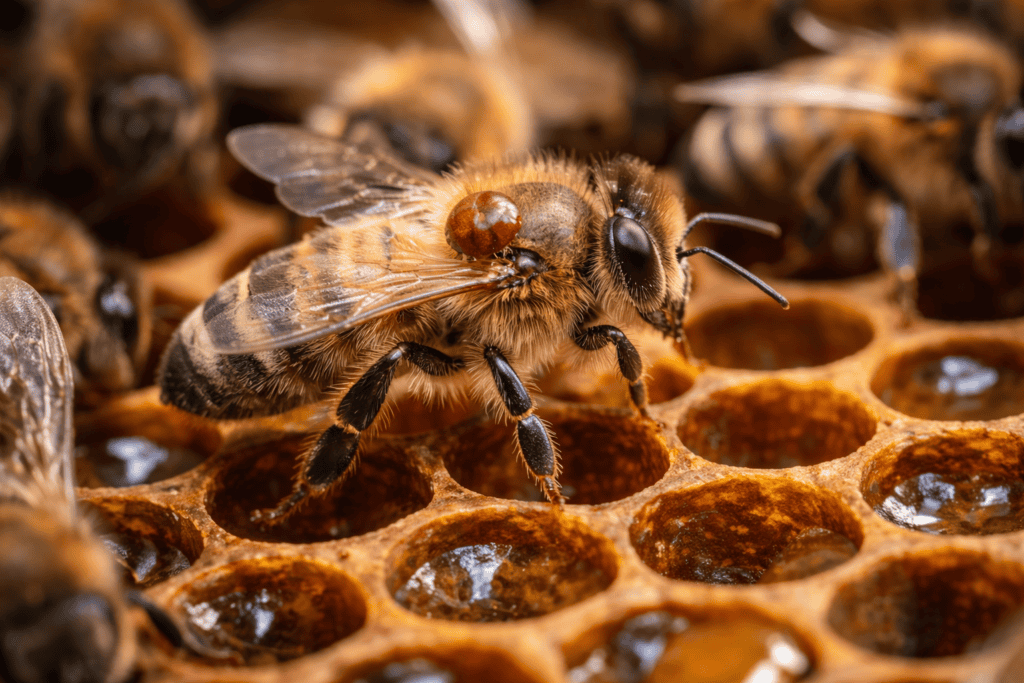
Varroa Destructor
Varroa mites:
- Weaken colonies
- Spread viruses
- Reduce winter survival
- Lower honey output
If colonies are weak, they cannot produce strong nectar flows — meaning less pure honey for harvest.
Imported Honey and the Adulteration Problem
The UK imports a large proportion of its honey consumption.
Global trade data from the Food and Agriculture Organization shows steady growth in international honey trade:
https://www.fao.org/faostat/en/#data/TP
However, investigations by the European Commission found that a significant proportion of tested imported honey samples showed suspicion of adulteration with sugar syrups:
https://food.ec.europa.eu/safety/food-fraud/eu-coordinated-actions/honey_en
This creates a serious issue:
- Cheap adulterated imports undercut real local honey
- Consumers struggle to identify genuine pure honey
- British producers face unfair pricing pressure
True pure honey contains:
- Natural enzymes
- Pollen content
- No added syrups
- No artificial filtration
When you compare imported blends with authentic British local honey such as:
https://numidiakingdom.co.uk/product/28g-honey/
the production standards and traceability are very different.
Rising Production Costs for Local Honey Producers
Producing local honey in the UK now involves rising operational expenses:
- Sugar feed costs
- Fuel for apiary transport
- Glass jar inflation
- Energy costs for extraction rooms
- Equipment replacement
Maintaining high pure honey standards often requires controlled storage and careful temperature management.
Even packaging costs impact margins for small producers selling premium local honey.
Loss of Forage and Biodiversity Affecting Pure Honey Quality
Diverse forage creates complex, mineral-rich pure honey.
The Royal Horticultural Society promotes pollinator-friendly planting to protect nectar diversity:
https://www.rhs.org.uk/science/conservation-biodiversity/wildlife/bees
Urban expansion and monoculture farming reduce:
- Wildflower diversity
- Continuous nectar flow
- Seasonal forage balance
Without varied forage, purel honey becomes less complex in flavour and colonies weaken.
Regulation and Food Safety Compliance
Producing pure honey in the UK requires compliance with strict standards.
The Food Standards Agency provides official honey authenticity and labelling guidance:
https://www.food.gov.uk/business-guidance/honey
British producers must ensure:
- Accurate country-of-origin labelling
- Batch traceability
- Hygiene compliance
- No misleading claims
High-quality pure honey must meet legal definitions of honey — meaning nothing can be added and nothing essential removed.
Consumer Confusion Around Local Honey and Pure Honey
Many consumers mistakenly believe:
- Clear honey is “better”
- Cheap honey is equivalent to premium honey
- Crystallisation means low quality
In reality, crystallisation is natural in raw pure honey and often a sign of authenticity.
Educational content explaining this can be found in your own article comparing British and imported honey:
https://numidiakingdom.co.uk/
When consumers understand what true local honey represents, they make more informed purchasing decisions.
Economic Pressure on Small UK Beekeepers
Small and medium UK producers face:
- Tight margins
- Climate uncertainty
- High labour intensity
- Equipment investment
Producing genuine pure honey requires:
- Frequent hive inspections
- Disease monitoring
- Swarm control
- Seasonal feeding
- Queen management
This is skilled agricultural work — not simply harvesting a natural product.
The Future of Local Honey in Britain
Despite challenges, demand for local honey is rising.
Consumers increasingly value:
- Food traceability
- British agricultural support
- Sustainable sourcing
- Authentic pure honey
Businesses that focus on transparency, such as:
https://numidiakingdom.co.uk/product/numidia-wildflower-honey-500g/
are positioned to benefit from growing consumer awareness.
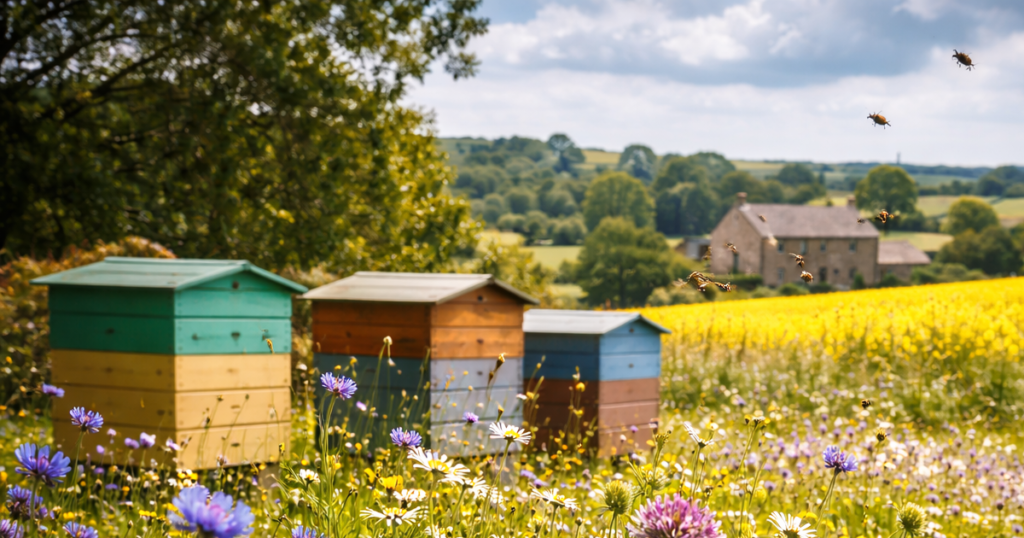
How Consumers Can Protect Local Honey and Pure Honey
- Always check country of origin
- Buy directly from British producers
- Accept natural crystallisation
- Understand seasonal yield variation
- Support pollinator-friendly planting
Every jar of authentic local honey supports:
- UK biodiversity
- Pollination of crops
- Rural employment
- National food resilience
Conclusion
British beekeeping is under pressure from climate volatility, disease, rising costs, habitat loss, and imported honey competition. These pressures directly affect the production of genuine local honey and authentic pure honey.
However, with informed consumers, strong regulatory enforcement, and continued beekeeper resilience, the UK can continue producing some of the highest-quality honey in Europe.
Protecting local honey is not only about supporting bees — it is about protecting British agriculture, biodiversity, and food integrity.
