
Pure Honey
Pure Honey vs Processed Honey: The Truth You Must Know
rocess
Pure honey has always been one of nature’s most trusted foods—sweet, nutritious, and deeply connected to human history. Today, many shoppers also look for raw honey, the most natural form of honey straight from the hive. But with so many different honey products on supermarket shelves, consumers often face one big question: What is the real difference between pure British honey, raw honey, and processed honey?
This updated guide explains how pure British honey and raw honey are made, how processing affects quality, why purity matters, and how UK customers can identify genuine, authentic honey. Whether you are a retailer, chef, or consumer, this article will help you understand the true value behind real honey and how to choose wisely in a crowded market.
For a complete breakdown of British honey standards and market trends, read our full guide to British Honey UK.
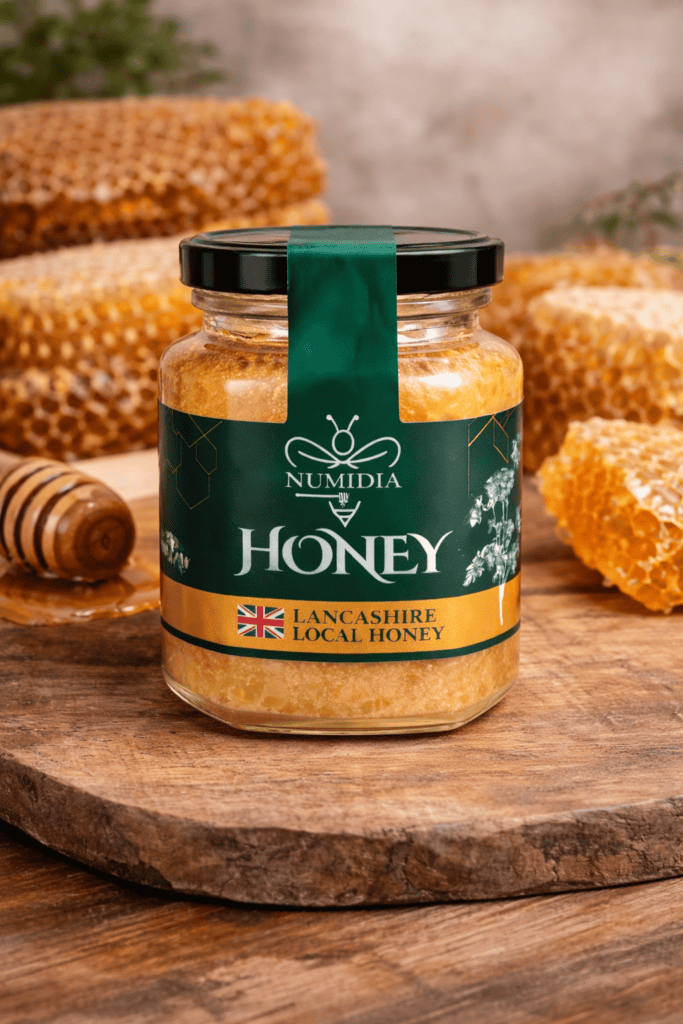
What Exactly Is Pure Honey?
Pure british honey is honey taken directly from the hive with no added sugar, no syrups, no artificial ingredients, and no industrial processing that destroys its natural structure. It contains the enzymes, aromas, pollen, antioxidants, and beneficial nutrients that bees naturally produce.
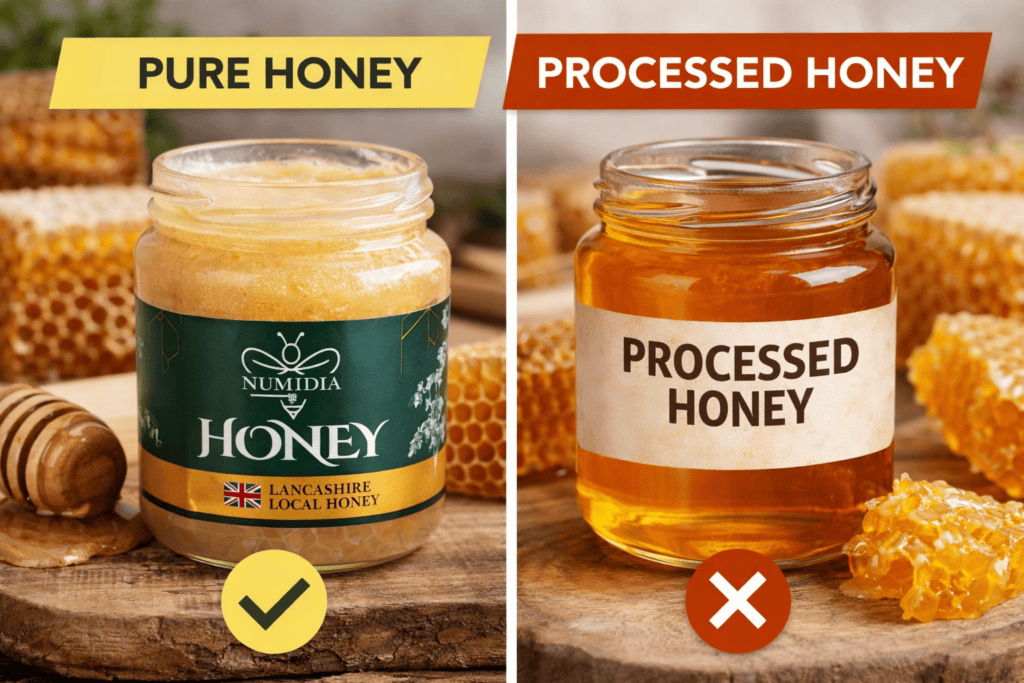
The main difference between pure honey and processed honey is how they are handled after extraction. Pure honey is minimally filtered and not overheated, preserving natural enzymes and pollen. Processed honey is typically pasteurised, ultrafiltered, and sometimes blended, which alters its nutritional profile and flavour.
Characteristics of Pure Honey
- No added sweeteners
- Contains pollen (proves authenticity)
- Natural enzymes intact
- Slowly crystallises over time
- Raw or lightly filtered
- True floral aroma and flavour
- Never overheated
Pure british honey is often labelled as raw honey because it has not been heated above normal hive temperatures.
What Is Processed Pure Honey?
Processed honey goes through industrial steps that change its natural quality. Producers may use heat, filtration, blending, and sometimes even add sweeteners to create a “perfect-looking” product.
Common Processing Methods
- High heat pasteurisation (up to 70°C)
- Ultrafine filtration (removes pollen & traceability)
- Blending with imported honey
- Addition of syrups (in some low-quality imports)
This processing makes honey look clearer and more uniform, but it reduces nutrition and flavour.
Processed honey in the UK typically falls under what many supermarkets call commercial honey—a product designed for consistency rather than authenticity. During industrial processing, honey may be rapidly heated, pressure-filtered, micro-filtered, or blended with imported batches to achieve a uniform appearance. This is why processed honey often looks clearer, brighter, and smoother than natural honey. However, these industrial steps can destroy or reduce natural enzymes, pollen traces, fragrance compounds, and beneficial antioxidants.
Processed honey is also sometimes pasteurised to delay crystallisation, but this heat exposure can reduce overall nutritional value. Because of these steps, most experts agree that processed honey should be viewed as a sweetener, while pure or raw honey remains a nutrient-rich natural food.
Why Pure Honey Matters More Than Ever
Consumers today are more aware of food quality, authenticity, and health benefits. Pure local honey fits perfectly into this demand for clean, natural food.
Nutritional Advantages of Pure Honey
Pure local honey contains natural components that processed honey often lacks:
- Vital enzymes such as diastase and glucose oxidase
- Antioxidants (polyphenols)
- Minerals such as potassium, magnesium, zinc
- Amino acids
- Organic acids
- Natural pollen grains
These elements are often destroyed during pasteurisation.
True Aroma and Natural Taste
Pure british honey carries the natural aroma of the flowers the bees visit. Every batch has a different character. This variety is proof of authenticity.
Processed honey, in comparison, tastes flat and overly sweet.
Another important difference is that processed honey often undergoes high-temperature pasteurisation and ultra-filtration to meet commercial appearance standards. These steps can remove the natural complexity that pure honey is known for. In contrast, pure honey keeps its natural structure, meaning UK consumers experience a product with a richer profile of antioxidants and enzymes.
In recent years, British shoppers have become increasingly aware of these differences due to media reports about adulterated international honey supplies. This has driven demand for locally produced pure honey, which offers full transparency and avoids the risks associated with heavily processed blends.
Crystallisation: A Natural Sign of Purity
Genuine pure british honey crystallises over time.
This is natural and safe.
Processed honey may stay liquid for years because it has been:
- Overheated
- Filtered too much
- Mixed with syrups
Crystallisation is a positive sign, not a defect.
Scientific Impact of Heat and Filtration on Honey Quality
One of the most important differences between pure honey and processed honey lies in how heat and filtration affect its natural biological components. Honey is not simply a sweetener; it is a complex natural substance containing enzymes, antioxidants, organic acids, amino acids, and trace minerals produced by bees.
How Heat Affects Natural Enzymes
Raw and minimally processed honey contains active enzymes such as diastase and glucose oxidase. These enzymes contribute to honey’s natural antibacterial properties and overall quality. When honey is exposed to high heat during pasteurisation—often between 60°C and 70°C—enzyme activity can decline significantly.
Excessive heating may also increase levels of hydroxymethylfurfural (HMF), a compound used internationally as an indicator of heat exposure and storage quality. UK and international honey standards limit HMF levels to protect product authenticity and freshness.
The Role of Pollen in Authenticity
Pure British honey naturally contains microscopic pollen particles from the flowers visited by bees. While some light filtration removes wax and debris, ultrafiltration used in industrial processing can remove pollen entirely. This not only affects traceability but also makes it more difficult to verify the geographic origin of honey.
The presence of pollen is considered one indicator of authenticity and floral diversity. For this reason, minimally filtered honey retains greater transparency and connection to its source.
Why Processing Changes Flavour and Aroma
Heating and excessive filtration can alter honey’s delicate aromatic compounds. Pure honey typically reflects the floral landscape of its origin—whether wildflower, heather, or blossom varieties—while heavily processed honey tends to have a uniform and less complex flavour profile.
Maintaining low processing temperatures helps preserve the natural characteristics that distinguish high-quality British honey from industrial blends.
Industrial processing can also affect the natural colour and aroma of honey. When exposed to prolonged heat, honey may darken and lose its floral scent. Studies show that pasteurised or heat-treated honey contains significantly lower levels of diastase activity—an important marker used in UK honey testing. In processed honey, diastase values are often close to the minimum legal requirement because enzymes break down when heated above 40°C. This is why many premium British brands proudly highlight “unpasteurised” or “minimally filtered” labels to show their honey retains natural enzymatic activity.
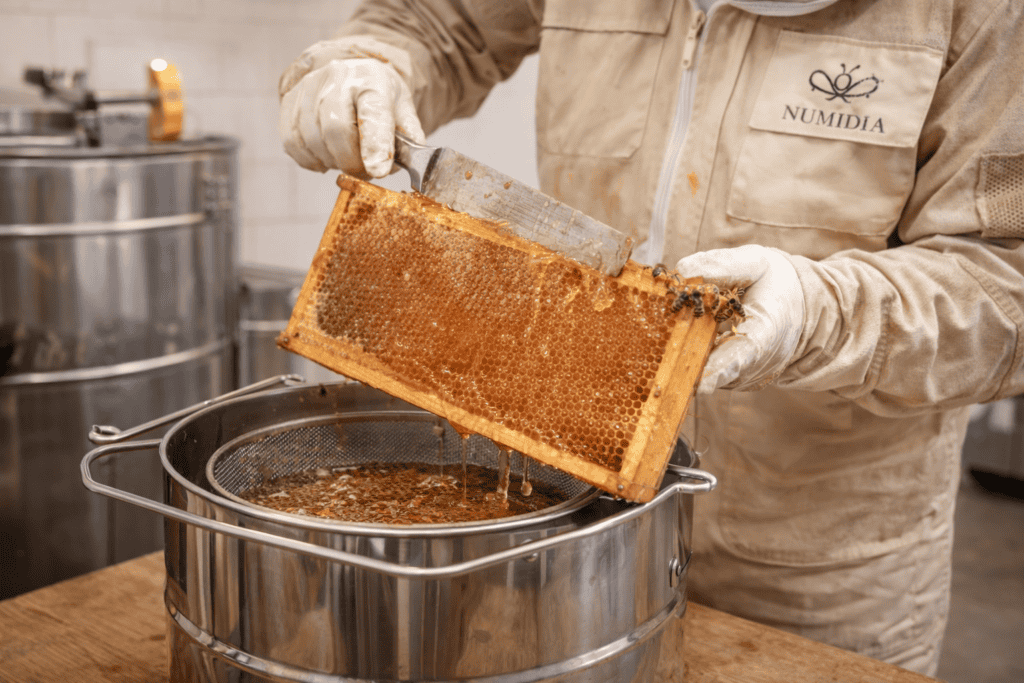
How Processed Honey Is Manufactured Step-by-Step
Understanding how processed honey is made helps explain why its nutritional quality differs from pure or raw honey. Most commercial honey on supermarket shelves goes through these steps:
1. Heating to High Temperatures
The honey is rapidly heated—often between 60°C and 70°C—to prevent early crystallisation and make the liquid easier to filter. This heating destroys a portion of natural enzymes, antioxidants, and aromatic compounds.
2. Pressure Filtration
Heated honey is forced through extremely fine filters that remove pollen, micro-crystals, and wax particles. While this makes honey look clear and attractive, it also removes the pollen that proves authenticity and geographic origin.
3. Micro-Filtration or Ultra-Filtration
Some imported or blended honey undergoes micro-filtration to remove even microscopic particles. This process strips the honey of its natural texture and reduces trace minerals and organic acids.
4. Blending With Imported Honey
Commercial producers often mix honey from multiple origins to create a uniform taste. This blending process is extremely common in international processed honey markets, particularly products labelled “Blend of EU and non-EU honeys.”
5. Bottling and Standardisation
Processed honey is finally bottled to meet supermarket shelf standards. Its long-lasting liquid state makes it visually appealing but significantly less natural compared to minimally processed pure honey.
Pure Honey vs Processed Honey: A Simple Comparison
| Feature | Pure British Honey | Processed Honey |
|---|---|---|
| Heat Exposure | Not overheated | Heated up to 70°C |
| Filtration Level | Light filtration | Ultra-filtered |
| Pollen Content | Contains natural pollen | Often removed |
| Nutritional Value | High | Reduced |
| Crystallisation | Natural | Delayed or prevented |
| Authenticity | Easy to verify | Hard to verify |
| Flavour Profile | Complex, floral, natural | Mild, uniform |
How to Identify Pure Honey
Consumers can use several indicators to check authenticity.
Check the Label
Look for:
- “Pure Honey”
- “Raw Honey”
- “Produced in the UK”
- “Unfiltered” or “Lightly Filtered”
Avoid:
- “Blend of EU and Non-EU Honeys”
- Any mention of flavourings or added sugars
Traceability
Trustworthy producers provide:
- Origin details
- Batch numbers
- Lab test results
- Bee-friendly handling
For example, supporting ethical producers strengthens UK beekeeping.
Internal link:
👉 Numidia Honey Wildflower 500g
Aroma & Flavour Pure honey
Pure honey has a:
- Rich floral smell
- Complex flavour
- Distinctive natural sweetness
Processed honey tastes the same every time.
When comparing pure honey to processed honey, the easiest signs to look for are texture and aroma. Pure honey has a living, dynamic structure that thickens over time, while processed honey remains unusually thin or syrup-like because it has been heated and filtered. Another reliable indicator is price: pure local honey often costs more because it comes from transparent, small-scale production rather than large industrial systems that prioritise volume over quality.
Why UK Consumers Prefer Local Pure Honey
The UK has strict honey standards and strong beekeeping traditions. Buying pure british honey from local producers supports:
- British agriculture
- Sustainable beekeeping
- Local ecosystems
- High transparency
Internal link:
👉 Visit Numidia Kingdom homepage
Pure Honey in Cooking and Daily Use
Pure british honey is extremely versatile in the kitchen.
Hot Drinks
Use pure honey in:
- Herbal tea
- Lemon and ginger drinks
- Mint and chamomile infusions
Add after the drink cools slightly to keep nutrients intact.
Baking
Pure honey provides:
- Moisture
- Deeper flavour
- Beautiful browning
Marinades
Use pure honey in:
- Chicken marinades
- Salmon glaze
- Vegetable roasting
The natural sugars caramelise perfectly.
Honey Fraud: Why Purity Matters
Honey fraud is a global issue. Many cheap imports are mixed with:
- Rice syrup
- Corn syrup
- Inverted sugar
This makes it essential to buy certified pure honey.
Strong External Authoritative Links
- UK Honey Regulations – https://www.gov.uk/food-labelling-and-honey-rules
- British Beekeepers Association – https://www.bbka.org.uk
- National Honey Monitoring Scheme – https://honeymonitoring.ac.uk
- Food Standards Agency – https://www.food.gov.uk
- EU Honey Quality Guide – https://food.ec.europa.eu
- Codex Honey Standard – https://www.fao.org
These are high-authority backlinks that increase SEO value.
Why Restaurants and Retailers Choose Pure Honey
Pure british honey has become a premium ingredient in:
- Hotels
- Restaurants
- Bakeries
- Farm shops
- Specialty grocers
Benefits for Businesses
- Better flavour
- Cleaner ingredient lists
- Stronger marketing value
- Higher customer trust
- Ideal for healthy dishes
Environmental Impact of Pure Honey
Choosing pure honey supports:
- Ethical beekeeping
- Stronger bee populations
- Healthy pollination
- Local biodiversity
Consumers increasingly prefer brands that respect nature.
How to Buy the Right Pure Honey
When choosing honey, look for:
- Local, single-origin honey
- Transparent production
- Crystallisation
- No added sugars
- Ethical beekeeping
Internal link:
👉 Numidia Honey 28g Mini Jars
Frequently Asked Questions About Pure vs Processed Honey
Is pure honey the same as raw honey?
In most cases, pure honey refers to honey without added sugars, syrups, or artificial ingredients. Raw honey specifically means the honey has not been overheated or heavily filtered after extraction. While many pure British honey products are also sold in raw form, the two terms are not always legally identical. Raw honey focuses on minimal processing, whereas pure honey focuses on the absence of additives.
Does processed honey lose nutrients?
Yes. High heat pasteurisation and ultrafiltration can reduce enzyme activity and remove natural pollen particles found in raw honey. While processed honey remains safe to eat, it may contain lower levels of naturally occurring antioxidants and beneficial enzymes compared to minimally handled honey.
Why does pure honey crystallise?
Crystallisation is a completely natural process caused by the glucose content in honey. Genuine pure honey, especially raw British honey, will often crystallise over time. This is a positive sign of authenticity and quality, not spoilage. Crystallised honey can easily be returned to liquid form by gently warming the jar in lukewarm water.
Which honey is healthier: pure or processed?
Pure honey is generally considered the healthier option because it retains natural enzymes, antioxidants, and trace nutrients that may be reduced during industrial processing. Choosing minimally filtered, non-overheated honey ensures you receive the honey in a form closer to how it exists in the hive.
How can UK consumers avoid fake or adulterated honey?
To avoid low-quality or adulterated honey, UK consumers should look for clear country-of-origin labelling, avoid products labelled “blend of EU and non-EU honeys,” and purchase from reputable local producers. Transparent batch information, traceability, and compliance with UK Honey Regulations are strong indicators of authenticity.
