British Honey Industry
The Competitive Pulse of UK: Local Honey & Pure Brands Advance
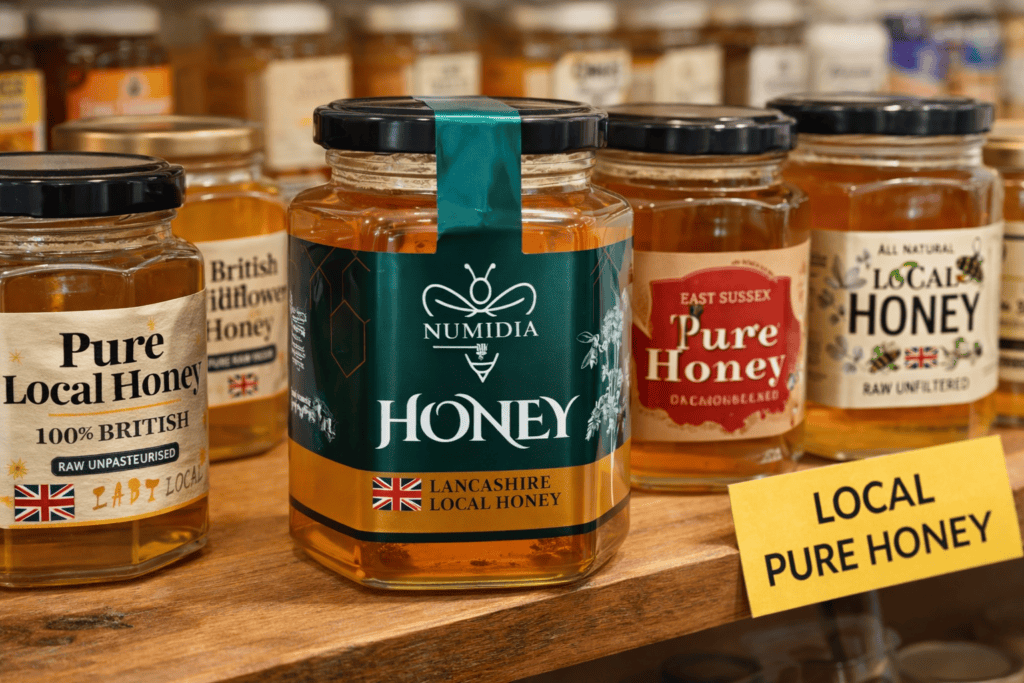
The UK honey market has never been as competitive, diverse, or fast-moving as it is today. Over the last decade, demand for local honey and pure honey has grown dramatically, driven by consumers who now prefer authenticity, traceability, sustainability, and high-quality natural products over cheap alternatives.
At the same time, more small producers, family beekeepers, and regional honey brands have entered the industry — building a marketplace that rewards quality but also increases competition.
Among the rising names shaping this competitive landscape is Numidia Honey, a premium British honey producer known for its strong branding, exceptional flavour quality, and commitment to natural UK beekeeping methods. As more consumers turn away from processed supermarket honey, companies like Numidia are helping redefine what British honey can be.
This article explores the competitive landscape, key market trends, and why local and pure honey are dominating the future of the UK industry.
Why the UK Honey Market Is Becoming More Competitive
The UK consumes far more honey than it produces. On average, the UK imports over 90% of its honey — mainly from China, Turkey, and the EU. This gap creates:
- Higher competition among British producers
- Increasing pressure to differentiate
- Strong consumer preference for real British honey
- Growth of niche and premium honey brands
Supermarket shelves are full, but the story is changing: more shoppers want traceable, raw, and natural honey directly from UK producers.
Local Honey vs Imported Honey
Local honey is more competitive today because UK consumers:
- Trust local food more
- Prefer low-processed products
- Want honey free from blending
- Believe local honey supports wellbeing
- Want to support British farmers and beekeepers
Imported honey, especially blended honey, is cheap — but many consumers no longer believe these products offer the same purity.
This is why pure honey — especially raw, unfiltered honey — continues to grow in popularity.
The Rise of Pure Honey: What Consumers Want
The term pure honey has become one of the strongest marketing keywords in the UK market. Consumers increasingly seek:
- No additives
- No blending
- No heating
- No industrial filtration
- Real natural pollen
- Raw floral flavours
This directly benefits authentic UK-based producers, including brands like Numidia Honey, whose production style aligns with what modern consumers want.
What Makes the UK Honey Market Unique
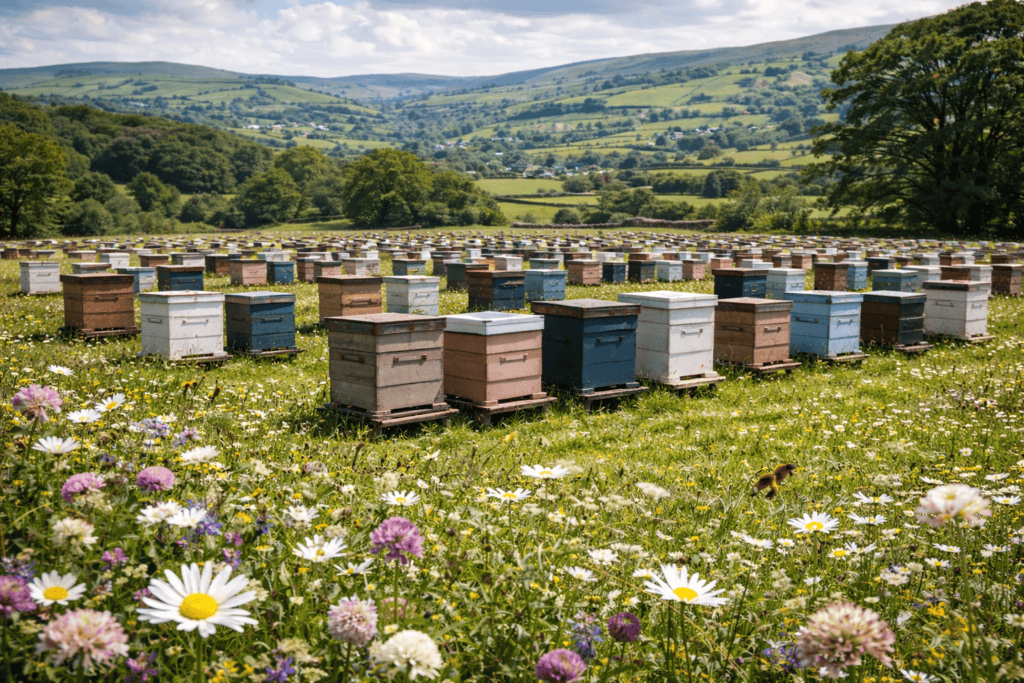
The UK honey market has several unique strengths:
A. Diverse Wildflower Sources
British honey varies greatly by region — from heather moors to wildflower fields to lime trees. This creates rich natural flavours difficult to find in imported honey.
B. Strong Beekeeping Community
The UK has more than 60,000 registered beekeepers, forming one of the most active honey-producing communities in Europe.
C. High Consumer Trust in Local Food
The UK public prefers “farm-to-table” authenticity, helping small producers compete with supermarkets.
D. Regulations That Demand Transparency
UK/EU labelling laws require country-of-origin transparency, making it easier for consumers to choose pure local honey.
Who Are the Competitors in the UK Honey Market?
The UK honey sector is divided into five main competitive groups:
1. Local Beekeepers
Selling at farm shops, markets, and online — usually offering high-quality local honey.
2. Premium Honey Brands
Like Numidia Honey, producing raw, local, wildflower, and artisan honey.
3. Supermarket Honey Brands
These sell blended honey, often low-cost and mass-produced.
4. Imported Specialty Honey
Such as Manuka honey — strong competitor in premium pricing.
5. Independent Artisan Producers
Small-batch honey makers with unique flavour profiles.
The strongest growth in 2026 is in local and pure honey, not supermarket blends.
Where Numidia Honey Stands in This Competitive Landscape
Numidia Honey is one of the rising small–medium UK honey brands shaping the premium sector. With a strong focus on:
- Pure British wildflower honey
- Local raw honey production
- Beekeeping authenticity
- Luxury packaging and modern branding
- Transparent production methods
- High-quality premium honey vinegar
Numidia positions itself directly against mass-market honey — competing on quality, not price.
Numidia also invests heavily in SEO, premium brand design, competitive pricing, and digital marketing, giving it a strong advantage over traditional beekeepers who rely only on local sales.
Because of this, Numidia is becoming a known competitor in:
- Local honey markets
- Artisan food stores
- Premium gift shops
- Online UK honey search results
- British pure honey marketplaces
Numidia’s combination of quality + presentation + trust is exactly what modern UK buyers demand.
Market Challenges for Pure and Local Honey Producers
Even though demand for pure honey is rising, competition remains tough. Challenges include:
A. Price Competition
Local honey is more expensive to produce than blended honey, which causes pricing pressures.
B. Imports Flooding the Market
Cheap imports from abroad can confuse consumers and lower trust.
C. Limited Production Capacity
Small beekeepers can only produce limited quantities depending on weather, hive health, and seasonal nectar flows.
D. Rising Production Costs
Jars, lids, labels, feed, treatments, fuel, extraction equipment — everything is more expensive.
E. Marketing Required
To compete with supermarkets, producers must invest in strong branding, SEO, and digital presence — something Numidia excels at.
Why Pure Honey Brands Are Winning
Pure honey brands have unlocked a strong market advantage by focusing on:
1. Raw, unfiltered, unpasteurised honey
The closest you can get to the hive.
2. Traceable origin
Consumers want to know where their honey comes from — not a blend from 7 countries.
3. Strong storytelling
British customers love brands with a clear story, such as Numidia Honey’s commitment to producing authentic British honey.
4. Luxury packaging
Especially for gifts or premium retail stores.
5. Value-added products
Such as:
- Honey vinegar
- Creamed honey
- Honey gift boxes
- Mini 28g jars
This helps brands diversify and stay competitive.
9. The Importance of Branding in Honey Competition
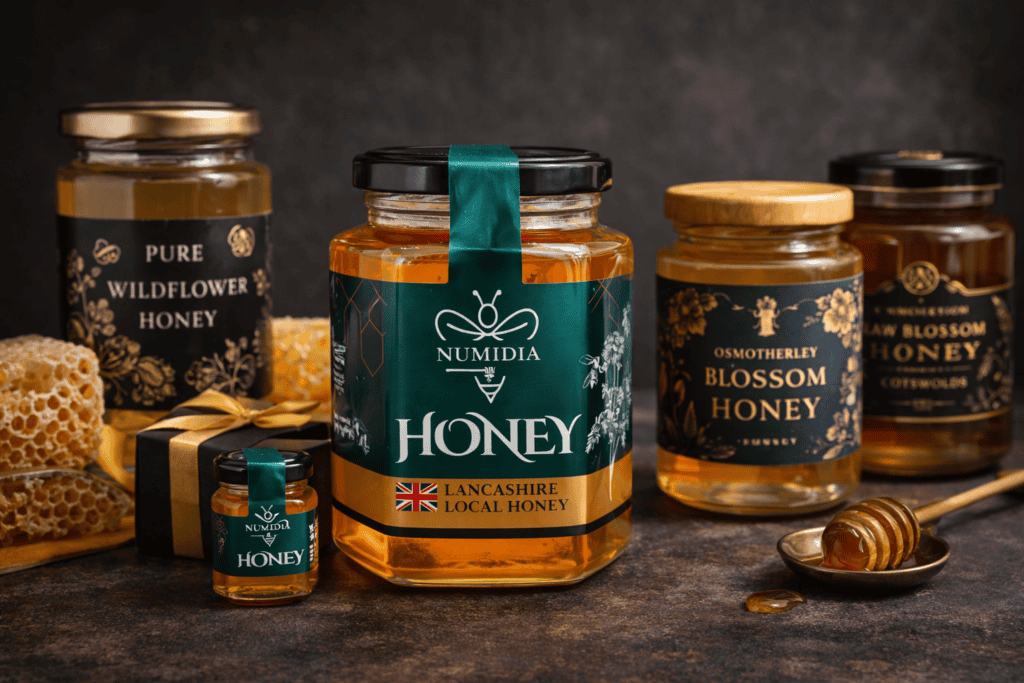
Branding is now one of the biggest deciding factors for customers.
Strong brands have:
- Premium labels
- Clean product photography
- Good SEO
- Active social media
- A modern website
- Clear educational content
- Beautiful packaging for gifting
Numidia Honey is an example of a brand using luxury packaging, transparent communication, and SEO-optimised content to rise in a competitive market.
10. How Local Honey Producers Can Stay Competitive
To compete effectively, producers should focus on:
✔ Raw & pure honey selling points
“100% British. Never blended. Never heated.”
✔ Transparent labelling
Customers want trust.
✔ High-quality images
White-background images for Google and e-commerce.
✔ SEO-rich blog posts
This brings organic traffic (example: Numidia’s website).
✔ Brand reputation
Customer reviews and awards (e.g., Great Taste, Pentawards).
✔ Fair pricing
Not too low to undervalue, not too high to scare buyers.
✔ Offer multiple sizes
500g, 340g, 28g mini jars, and gift sets.
- https://numidiakingdom.co.uk
- https://numidiakingdom.co.uk/product/numidia-wildflower-honey-500g/
- https://numidiakingdom.co.uk/product/28g-honey/
- https://numidiakingdom.co.uk/product/numidia-honey-vinegar-250ml/
- https://numidiakingdom.co.uk/category/local-honey/
- https://numidiakingdom.co.uk/category/pure-honey/
12. Conclusion: The Future of Honey Competition in the UK
The UK honey market is changing fast — and local, pure, and premium honey brands are leading that change. Consumers are demanding authenticity, quality, and transparency, pushing smaller producers into the spotlight.
Companies like Numidia Honey are demonstrating that with strong branding, real British honey, and premium presentation, small-to-mid-size producers can successfully compete against supermarket honey and imported products.
The competition will only increase — but the winners will be:
- Producers who offer real pure honey
- Brands that invest in quality & storytelling
- Beekeepers that focus on authenticity
- Businesses that understand modern UK consumers
The future of the UK honey market belongs to local and pure honey — and the brands that produce it with passion.
✅ 1. National Bee Unit (UK Government – Beebase)
National Bee Unit
https://www.nationalbeeunit.com
The strongest UK authority for honey bee health, disease control, and official beekeeping guidance.
✅ 2. Food Standards Agency (FSA) – Honey Regulations
Food Standards Agency
https://www.food.gov.uk/business-guidance/honey
The official UK regulations for honey composition, labelling, and purity — extremely SEO-powerful.
✅ 3. British Beekeepers Association (BBKA)
British Beekeepers Association
https://www.bbka.org.uk
Trusted association with educational content, ideal for articles discussing beekeeping or local honey.
✅ 4. UK Government Agriculture & Horticulture Development Board (AHDB)
Agriculture and Horticulture Development Board
https://ahdb.org.uk
