British Honey
Why British Honey Tastes Surprisingly Unique in Every Region
British honey is loved for its depth, character, and natural variation. Each jar carries a flavour shaped by the land it comes from, and no two regions taste exactly the same. When you explore Local honey from different counties, you quickly notice how the environment, the flowers, and the climate influence its colour, aroma, and sweetness.
This article explains the fascinating reasons behind these differences. Along the way, you will see how British honey expresses the unique identity of each area, from the rugged moors of Yorkshire to the gentle fields of Lancashire. These regional variations offer a journey through Britain’s natural landscape, one spoonful at a time.
1. The Role of Local Flora
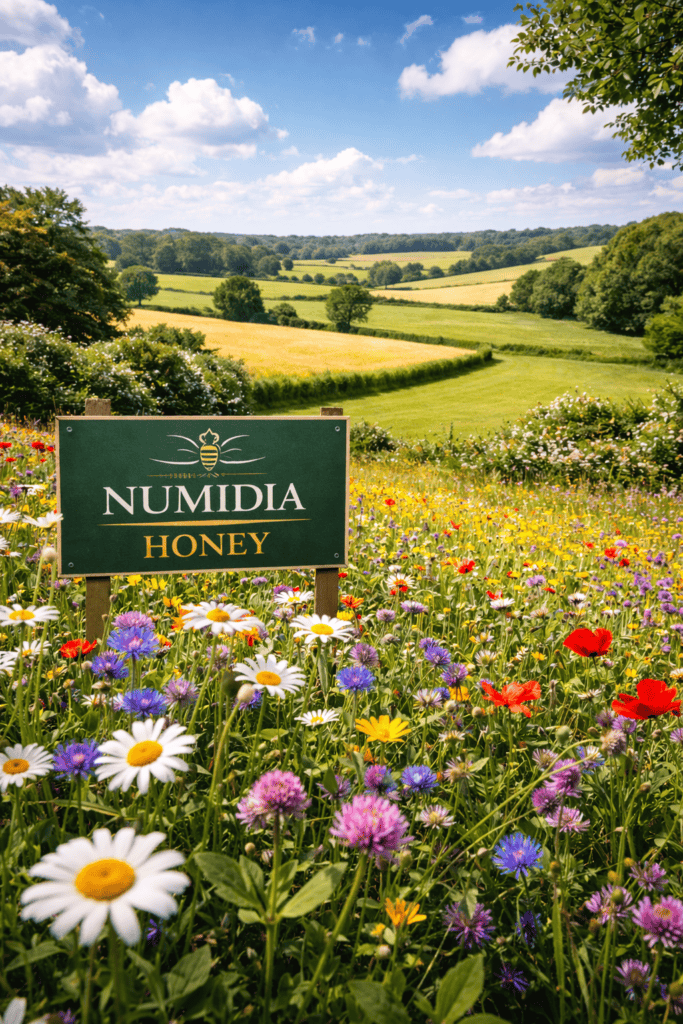
The primary reason British honey tastes different across regions is the variety of flowers bees visit. Different plants produce nectar with unique aromas, sweetness levels, and textures. As a result, the honey changes depending on the plants available near each apiary.
For example, British honey from areas rich in clover usually tastes mild and creamy. However, honey collected from heather moors has a strong, fragrant, and slightly smoky flavour. Meanwhile, beekeepers working in regions full of bramble or wildflower meadows produce honey with a floral and fruity profile.
According to the British Beekeepers Association, nectar composition is influenced by plant species and soil conditions (external link: https://www.bbka.org.uk). These natural variations help explain why a jar collected in Lancashire can taste entirely different from one harvested in Kent.
If you want to experience a wildflower profile crafted in Lancashire, you can explore our Numidia Wildflower Honey 500g on our product page (internal link: https://numidiakingdom.co.uk/product/numidia-wildflower-honey-500g/). This honey reflects the local blossoms that surround our hives throughout the season.
2. Soil and Local Geography Influence Nectar
The land beneath the flowers also affects the taste of British honey. Soil determines which plants grow well in each region. Healthy soil produces a diverse range of nectar sources, and that variety creates a richer honey.
Additionally, the mineral content of soil influences the nutrients in the nectar. Coastal areas, for example, may have salt-tolerant plants that contribute lighter flavours. In contrast, inland valleys often support deeper, earthier floral notes.
Because the soil in each British county is different, the plants that thrive also differ. Lancashire wildflower fields, for instance, grow on slightly acidic soil, which supports plants like clover, thistle, and vetch. Meanwhile, regions with chalky soil, such as Hampshire, produce honey with a notably mild and clear taste.
The Royal Horticultural Society explains how soil types influence plant health and nectar availability (external link: https://www.rhs.org.uk). This strong connection between soil and plants forms the foundation of regional honey flavour.
3. Climate and Seasonal Changes
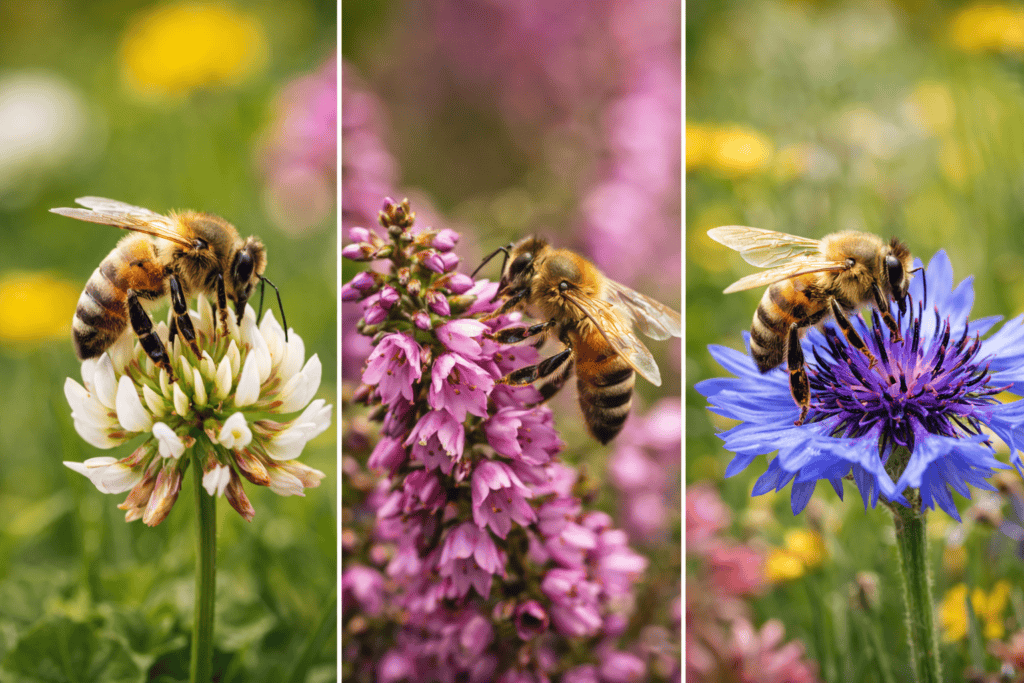
Climate plays a big role in how British honey develops its character. Temperature, rainfall, and sunlight influence how much nectar flowers produce. A warm spring encourages early blooming, which increases nectar flow. A cool or rainy spring slows this process, creating lighter harvests and milder flavours.
During summer, long dry periods encourage plants like bramble and clover to produce richer nectar. On the other hand, wet summers may dilute nectar, leading to lighter flavours and softer aromas in the honey.
Seasonal changes mean every batch of British honey is a snapshot of the weather conditions of that year. Even within the same region, honey from early summer tastes different from honey produced in late summer.
For customers who enjoy strong natural variation, our Numidia Honey 28g Mini Jars offer a small and convenient portion ideal for sampling seasonal flavour differences (internal link: https://numidiakingdom.co.uk/product/numidia-honey-28g-mini-jar/).
4. Regional Specialties: From North to South
British honey is wonderfully diverse. Each region offers its own signature flavour, shaped by the plants and landscapes of that area. Here are some examples of well-known regional profiles:
• Scottish Heather Honey
Strong, aromatic, jelly-like texture, rich and earthy.
• Yorkshire Moors Honey
Floral, deep, slightly smoky, influenced by heather and wildflowers.
• South West England Honey
Mild, fruity, with hints of orchard blossom.
• Kent and Sussex Honey
Light and floral, shaped by orchards, gardens, and wild meadows.
• Lancashire Wildflower British Honey
Balanced, golden, and gently floral, influenced by clover, bramble, and hedgerow blossoms.
Additionally, the region impacts the honey’s colour. Heather honey is deep amber. Wildflower honey ranges from light gold to medium amber. Coastal honey can appear very light due to the types of plants bees visit.
Because Local honey is never uniform, it is valued by chefs and food producers. Many restaurants prefer regional honey for cheese boards, baking, and glazes because each variety offers a unique taste.
You can also read how honey influences restaurant menus in our article about top ways chefs use honey in cooking (internal link: https://numidiakingdom.co.uk/top-ways-chefs-use-local-honey/).
5. The Beekeeper’s Role and Local Practices
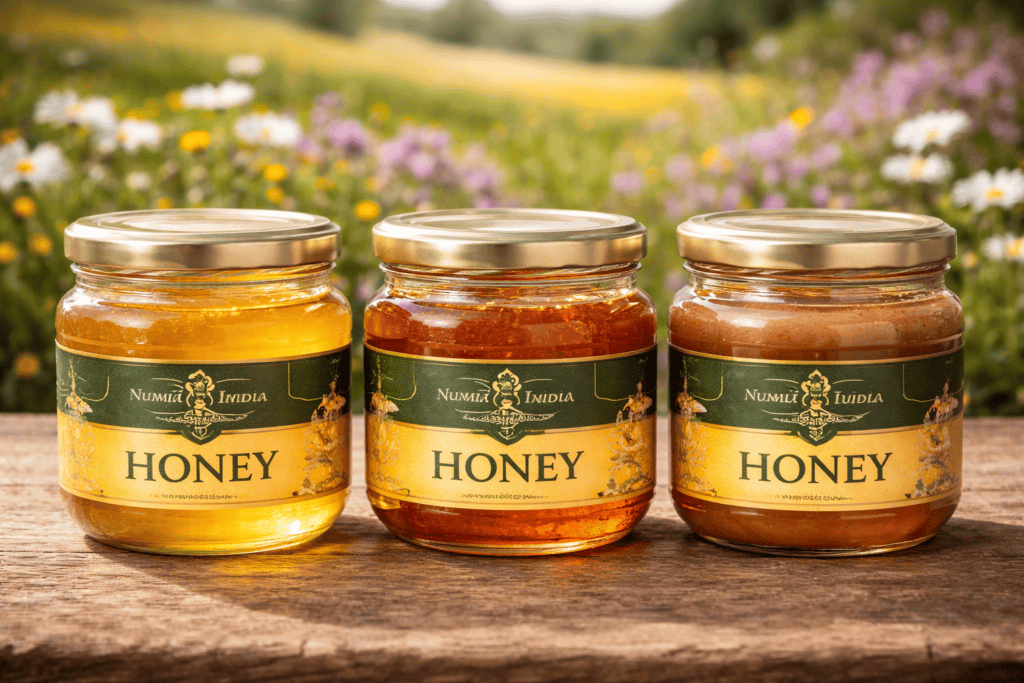
Another factor influencing taste is the beekeeper’s approach. Although bees make the honey, the beekeeper manages the conditions that support them. Good hive management helps ensure strong colonies, healthy brood, and steady nectar collection.
Additionally, beekeepers influence flavour through:
• Hive placement
Placing hives near certain flowers leads to stronger, more defined flavour profiles.
• Harvest timing
Harvesting too early results in a thinner taste.
Harvesting too late may affect clarity or increase moisture.
• Extraction methods
Gentle extraction preserves aroma, while high heat or aggressive filtering can reduce flavour.
At Numidia Kingdom Local honey, we use slow, careful extraction to protect the natural properties of British honey. Our commitment to quality follows guidelines provided by the National Bee Unit, which supports good beekeeping practices in the UK (external link: https://www.nationalbeeunit.com).
Furthermore, each jar of our honey reflects a clean and ethical bottling process. You can explore how this is done through our Numidia Local Honey Vinegar 250ml page where we also discuss purity and natural fermentation (internal link: https://numidiakingdom.co.uk/product/numidia-honey-vinegar-250ml/).
6. Why British Honey Can Never Be Exactly the Same
Supermarket honey is often blended from many countries. This blending process creates uniformity but removes natural character. British honey, on the other hand, is traditionally sold in small batches. This means flavour changes with region, season, and local plant life.
Because bees gather nectar within a few miles of the hive, each jar is a taste of the landscape. You may notice hints of meadow, woodland, hillside, or farmland depending on where the bees worked. This local identity is one of the main reasons people seek out genuine British honey.
Moreover, customers who enjoy authentic flavour prefer honey that has not been heavily processed. Raw British honey keeps its aroma, pollen, and natural colour. These qualities reflect the environment where it was produced.
Conclusion
British honey tastes different in every region because it is shaped by flowers, soil, climate, and beekeeping traditions. Every spoonful tells a story about the landscape, from the rugged heather moors of the north to the gentle fields of the south. These natural differences make British honey one of the most diverse and enjoyable products in Britain’s food culture.
When you choose Local honey, you support local beekeepers, encourage biodiversity, and enjoy a richer culinary experience. Whether you prefer bold heather Local honey, smooth wildflower honey, or light orchard honey, each variety represents a unique part of the British countryside.
If you want to taste the difference yourself, explore our full range of products at Numidia Kingdom Local honey and enjoy the true flavour of British honey at its best.
